Product behaviour
- instant coffee powder and granules
- auger or volumetric filling
- Sample material for testing and feed checks
Product application guide
Instant coffee sachet machine guide for portion packs requiring accurate dosing, clean sealing and neat printed sachets.
Buyer intent
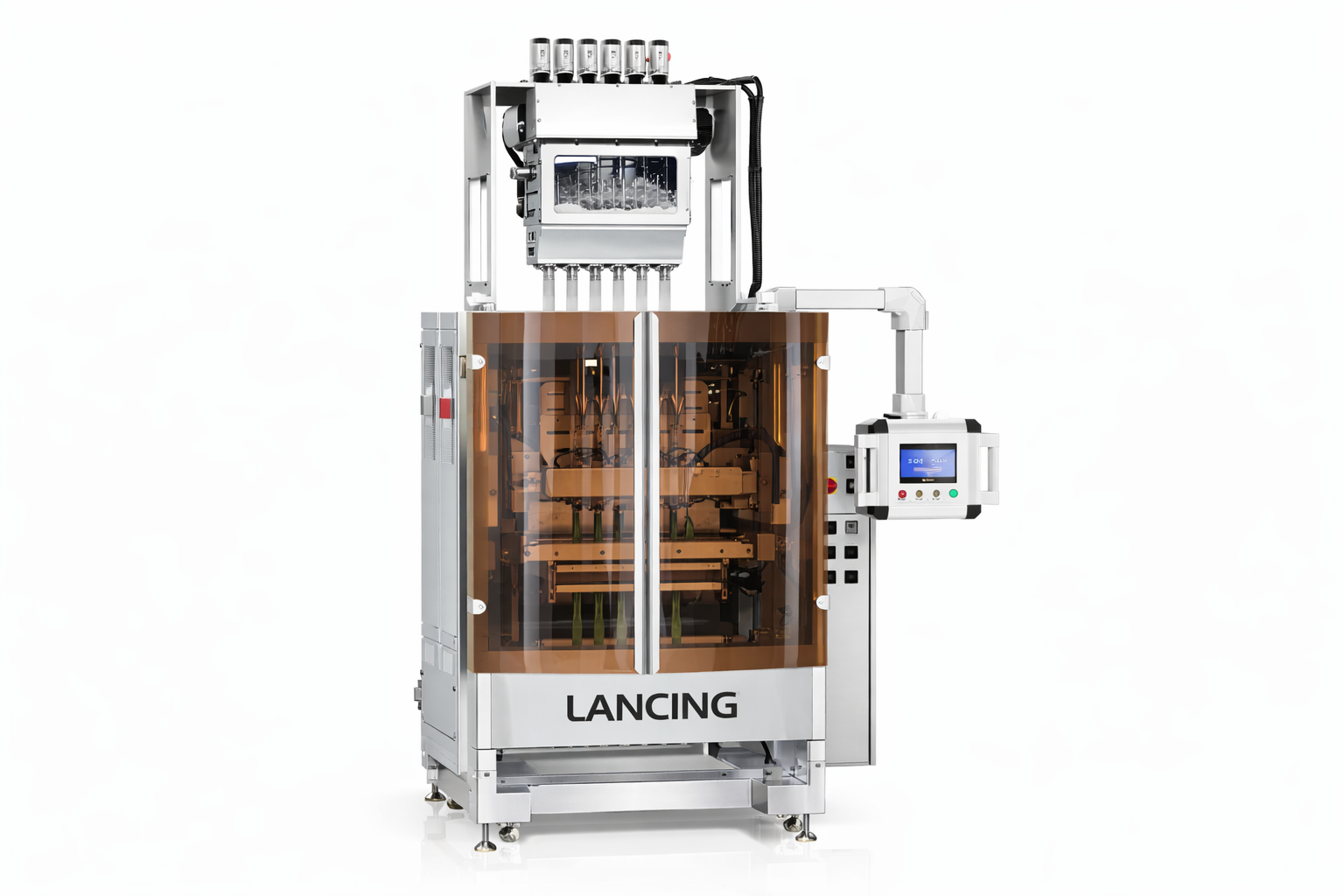
Instant coffee sachet machine guide is aimed at UK buyers comparing multi-lane sachet or stick pack machinery for instant coffee powder and granules. The best specification is not chosen from the machine name alone; it is built around the product, the target pack, the film and the output rate that needs to be achieved reliably in normal production.
For instant coffee, the important checks are aroma protection and film choice, lane accuracy and seal cleanliness. These factors affect the recommended dosing route, seal design, machine speed, floor layout and the amount of operator intervention required during changeover.
Instant coffee powder and granules can vary in flow from batch to batch, so the feed system should be tested against real samples rather than assumed from the product name. Products that bridge, dust, string, clump or settle slowly may need different hopper geometry, agitators, dosing screws, pump settings or discharge controls.
The pack format for this application is usually sachets and stick packs. Film choice, seal width, batch coding and final pack handling should be confirmed before the machinery specification is frozen.
Before requesting a quotation, prepare the fill weight or volume, sample product, finished pack size, preferred film or pouch material, voltage, available air supply and target packs per minute. If the project needs conveyors, printers, checkweighers, metal detection or collection tables, those items should be included at the same time so the line is planned as a complete system.
Specification checks
Machinery route
Use this page as a starting point for narrowing the specification before asking for a formal quotation. Similar products can still need different machinery settings if the bulk density, particle size, viscosity, film or finished pack changes.
Buyer questions
Useful details include the product sample or description, fill weight, target pack size, film type, required output, power and air availability, and whether coding, weighing, conveyors or inspection are required.
The filling route depends on product behaviour. For this topic, the likely options to compare are auger or volumetric filling, but the final choice should be confirmed using product samples and the target tolerance.
Cost and lead time are influenced by the dosing system, pack format, sealing method, control options, lane count, conveyors, inspection equipment and the level of installation or training required.
Need advice?