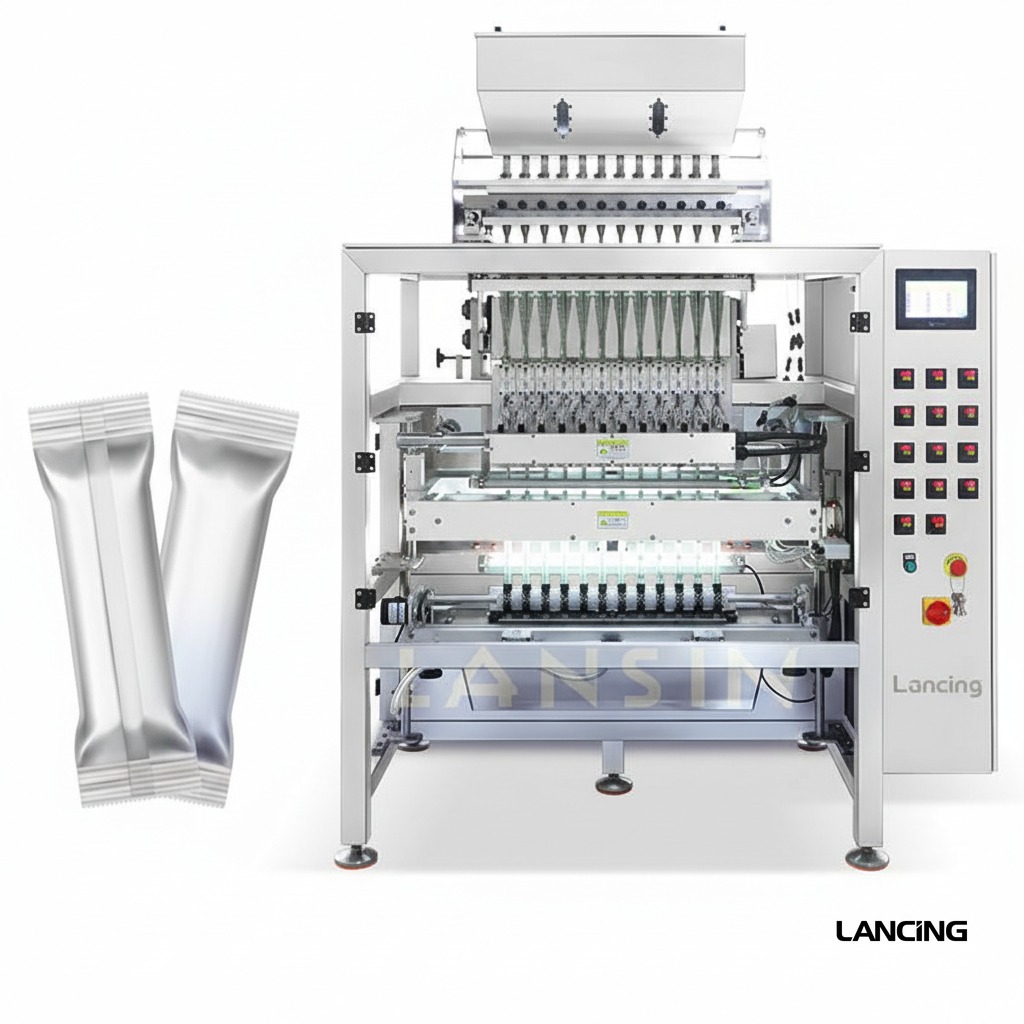
Specification checklist

VFFS machine specification checklist for a faster quotation

Use this guide to compare VFFS specification, form fill seal quote checklist and production line requirements before sending product samples, pack drawings and output targets to Lancing for a practical machine shortlist.

SEO focus

Built for real production requirements, not only catalogue names.

Lancing helps UK manufacturers compare packaging machinery by product behaviour, dosing technology, film and seal requirements, target bags per minute, available utilities and line layout. The aim is to specify the correct form fill and seal machinery route before a formal proposal is prepared.

Product details

Confirm whether the product is powder, granule, liquid or paste. Add bulk density, particle size, viscosity, temperature, flow behaviour, dust level, fragility, moisture sensitivity and whether samples are available for testing.

Pack and film information

Confirm fill weight or volume, bag width and length, seal style, film material, roll width if known, print requirements, barcode or date coding, tear notch, hole punch, gusset and any presentation requirements.

Production and layout information

Confirm target output, shift pattern, changeover needs, available voltage, compressed air, available floor space, upstream feed, downstream conveyors, checkweigher, metal detector, reject system and operator access requirements.

Questions buyers search for

Vffs machine specification checklist FAQs

Why does Lancing ask for bag size and film data?

Bag size and film data affect forming parts, seal jaws, film width, control setup and achievable output.

Do I need to know the exact machine model?

No. It is better to describe the product, pack and production target so the correct machine route can be checked.

Can one VFFS machine run several products?

Possibly, but product flow, fill range, cleaning and change parts must be reviewed before a multi-product specification is agreed.

Ready to compare options?

Send product, pack size, film and output target.

Contact Lancing

Specification questions

Questions that prevent ambiguous dimensions, outputs and interfaces

Which dimensions should be taken from the finished pack and which from the film?

Record finished bag width, length, gusset or depth, seal widths and required headspace from the approved pack. Separately record flat film width, thickness or structure, print repeat, registration-mark position, unwind direction, core and reel limits where known. Do not derive the film specification from a finished pack without confirming the forming and seal geometry.

How should target output be written so suppliers interpret it consistently?

State accepted packs per minute or per hour with the product, fill, bag, film, inspection and reject rules that apply. Separate normal sustained output from an aspirational future target. Also state shift length, refill and roll-change pattern, because a peak cycle rate does not describe the saleable output expected across the operating period.

What product variation belongs in the specification rather than a later trial note?

Include any variation already expected in production, such as bulk-density range, particle range, viscosity or temperature range, moisture, supplier changes, inclusion size and tendency to foam, bridge or dust. A trial can verify the range, but the supplier must know it exists when selecting the dosing, feed, product path and control philosophy.

Which line interfaces should be shown on the first layout drawing?

Show bulk product arrival, feeder and dosing heights, machine footprint, control panels, doors, reel loading, operator positions, discharge, inspection, reject path, collection and maintenance clearances. Mark power, compressed air, extraction, drainage and network points where relevant. Early interface definition reduces later changes to platforms, conveyors and safe access.
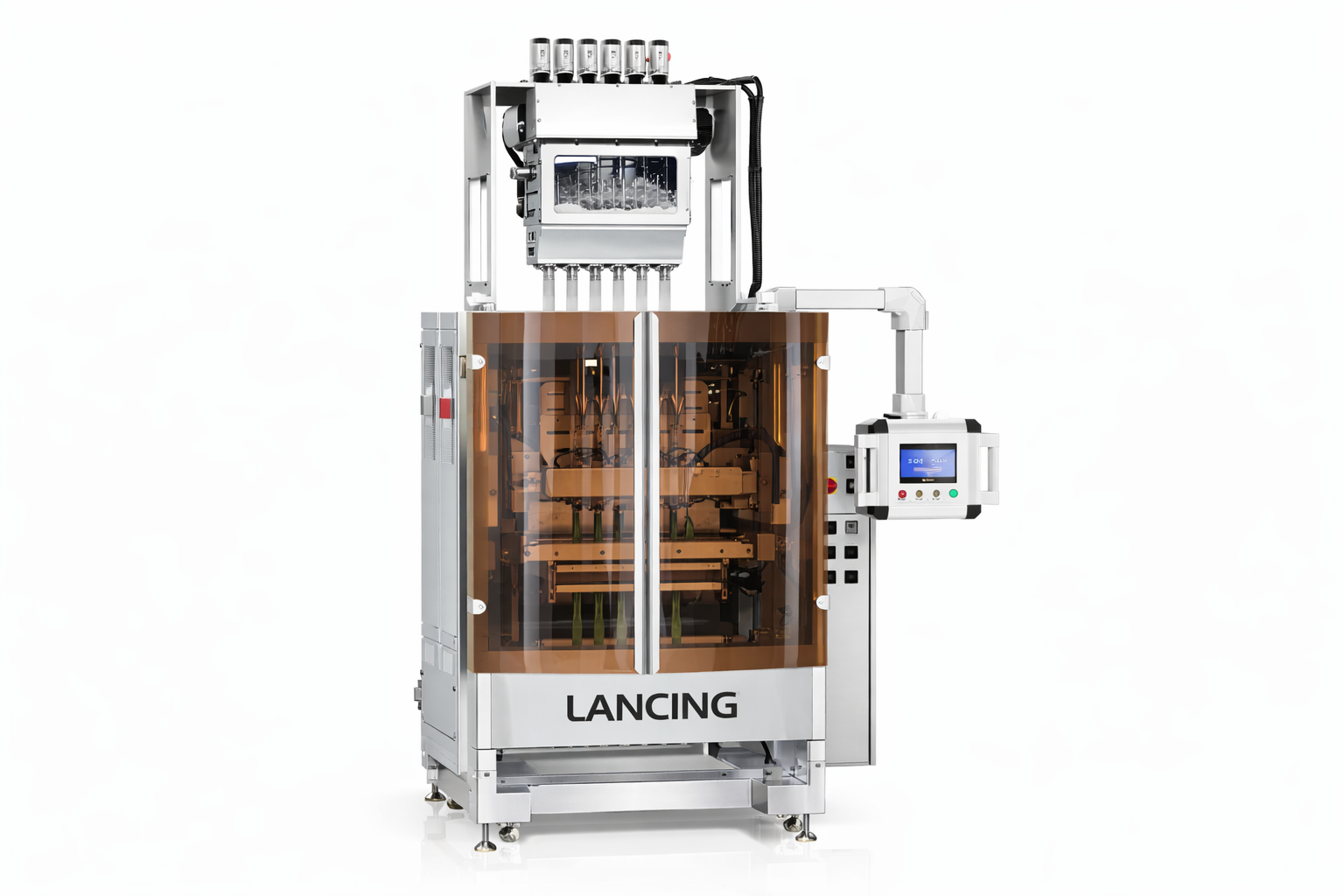
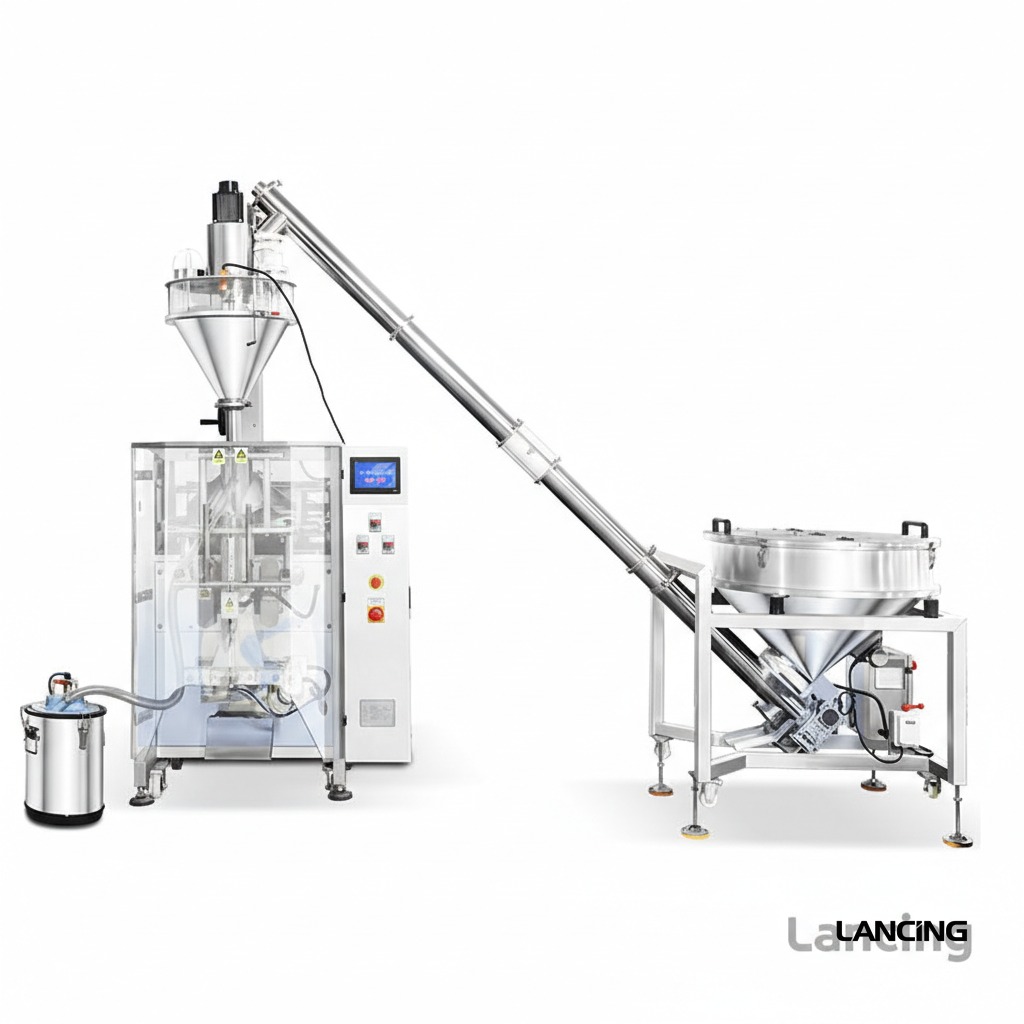
Specification evidence

Attach evidence to the three decisions that control the machine configuration

Dosing system

  • Representative normal and worst credible product condition
  • Target dose, tolerance and verification method
  • Hopper refill, settling, foaming, dust or drip behaviour
  • Required product-clear time and interface signals

Compare dosing routes

Bag and film

  • Dimensioned finished-pack drawing and approved sample
  • Film structure, width, repeat, unwind and eye mark
  • Seal arrangement, headspace and opening feature
  • Code, inspection and critical artwork positions

Compare bag formats

Installation

  • Line layout, floor loading and access envelopes
  • Power, compressed air, extraction and drainage
  • Upstream/downstream interfaces and responsibility split
  • Factory and site acceptance checks

Prepare site services

Call now