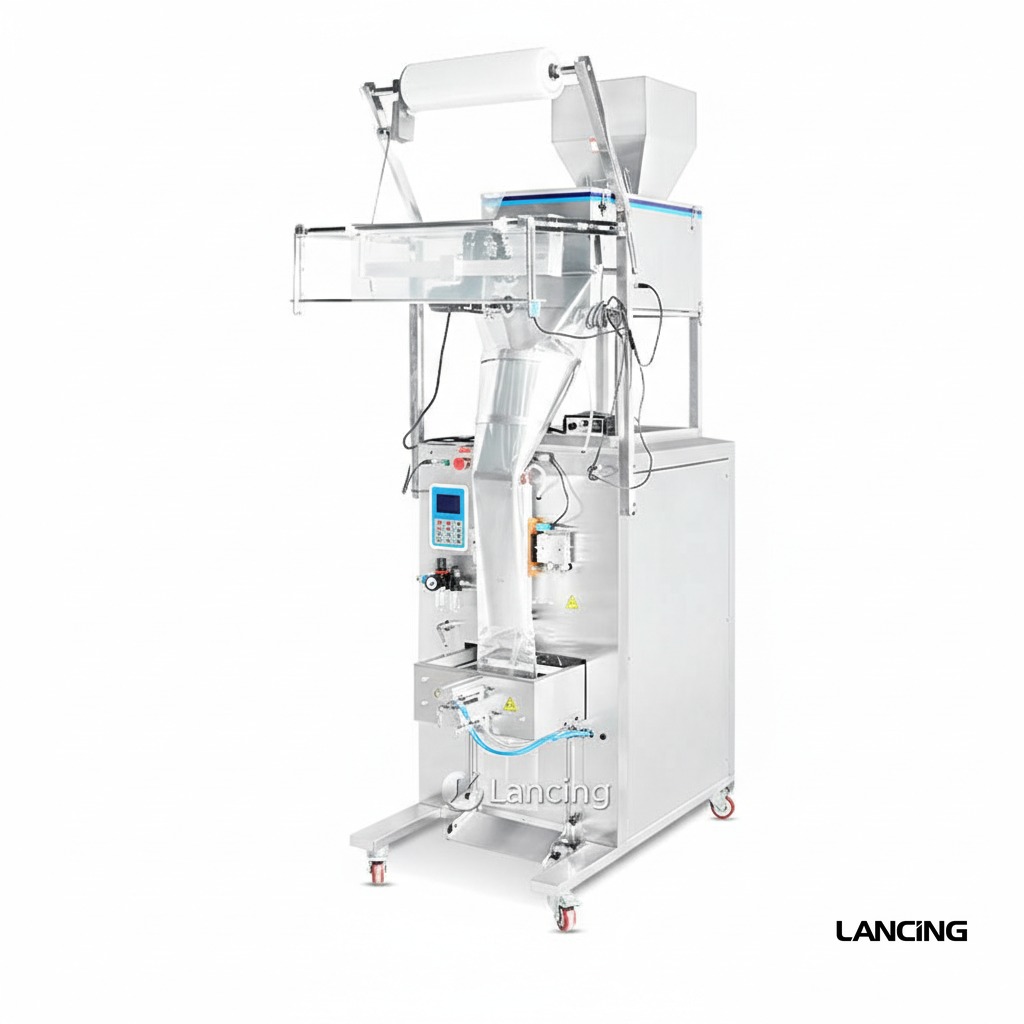
Browse UK form fill seal machines for powders, granules, liquids, pastes, sachets and pouches. Use this page to compare VFFS machinery routes by product, dosing method, film type and output target.

Form fill and seal machines

Compare powder VFFS, granule filling and sealing, pouch bagging, liquid sachet and paste filling sealing machinery.

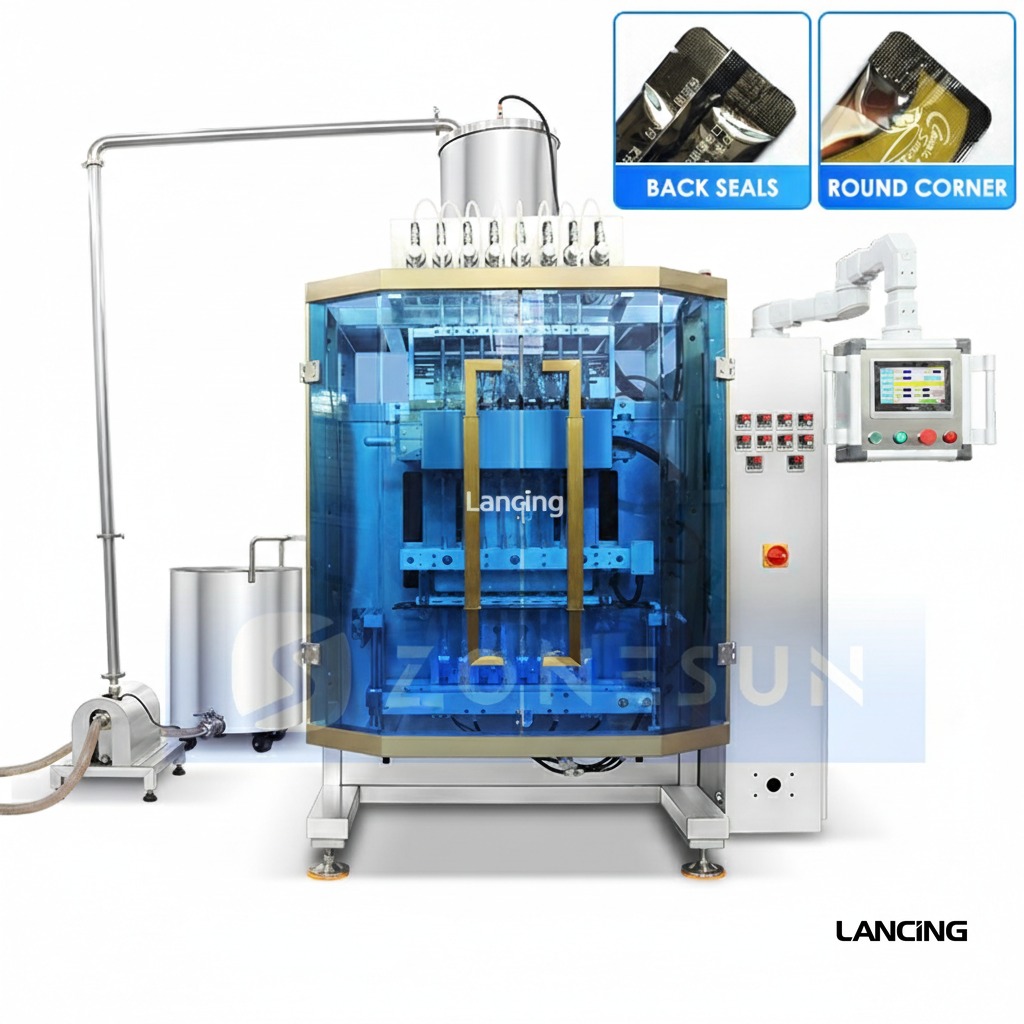
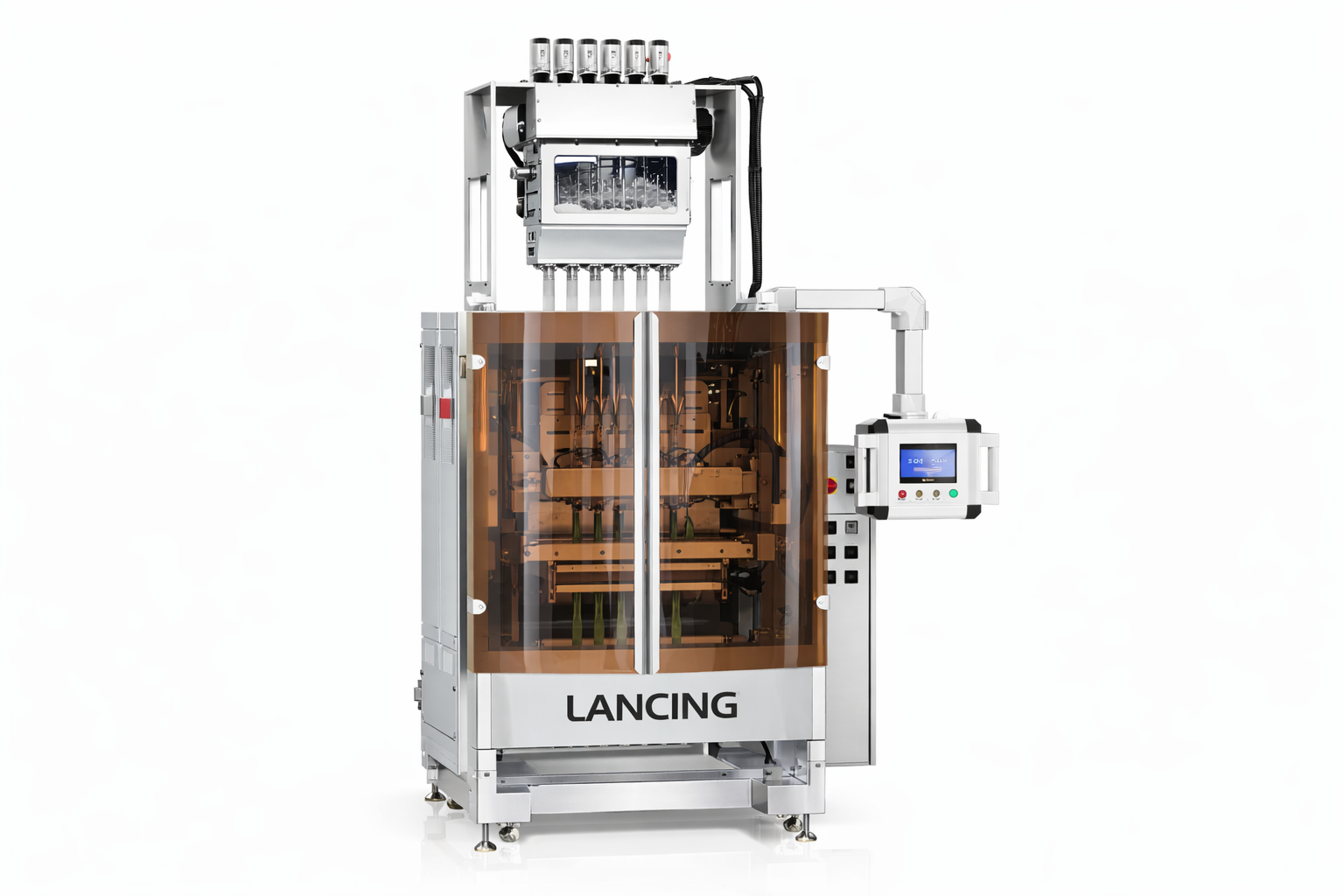
LU-FSFM6 Multi-Lane VFFS Powder Bagger
Powder VFFS

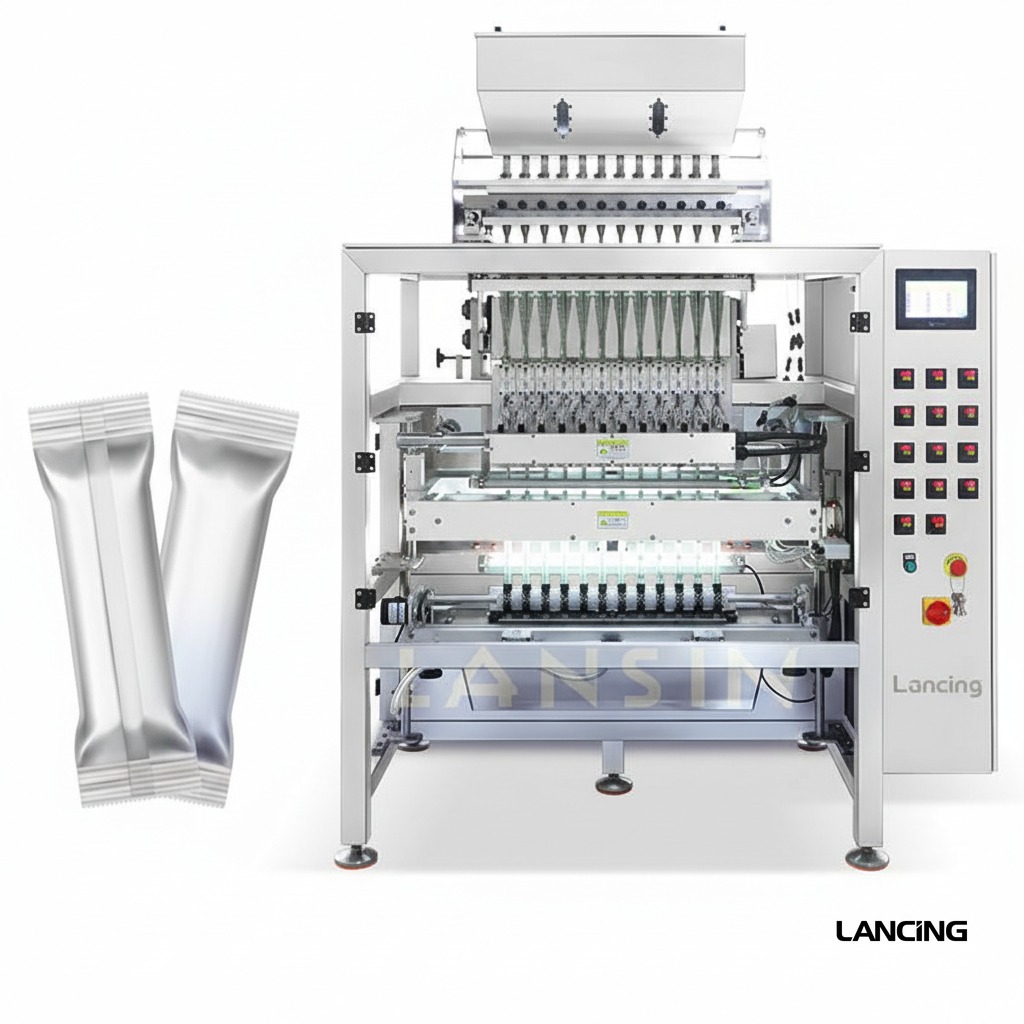
LU-FSFM6 Multi-Lane VFFS Powder Bagger

High-speed multi-lane vertical form fill seal machinery for powder sachets, stick packs and small bag formats, with independent auger dosing across multiple lanes.

Model: LU-FSFM6 · Filling method: Auger filling · Voltage: AC220V/380V 50–60Hz View details
Automatic VFFS Auger Powder Filling Machine
Auger powder bagging

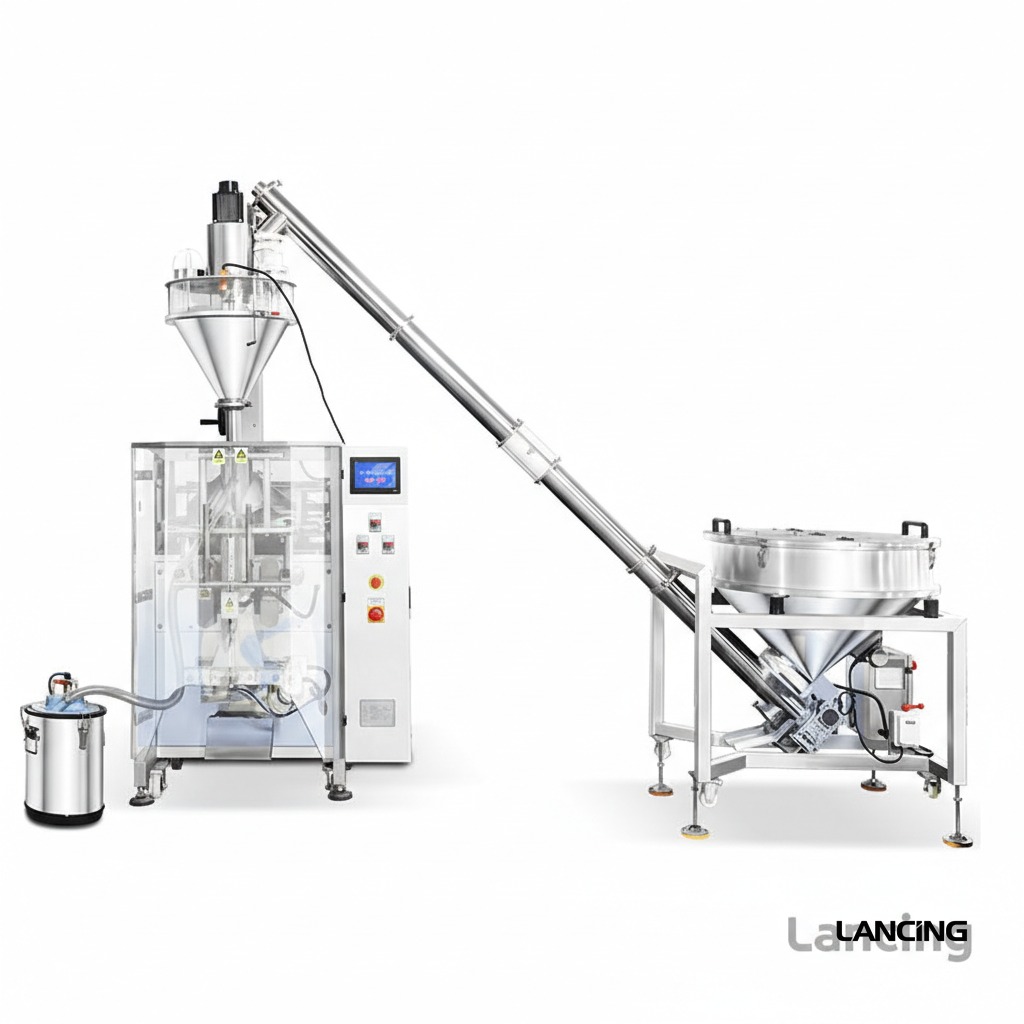
Automatic VFFS Auger Powder Filling Machine

Fully automatic auger filling and form fill seal machine for free-flowing and controlled-flow powders, using screw dosing and film forming for finished bags.

Model: LU-FS06 · Working voltage: 110/220V 50–60Hz · Packaging speed: 5–80 bags/minute View details
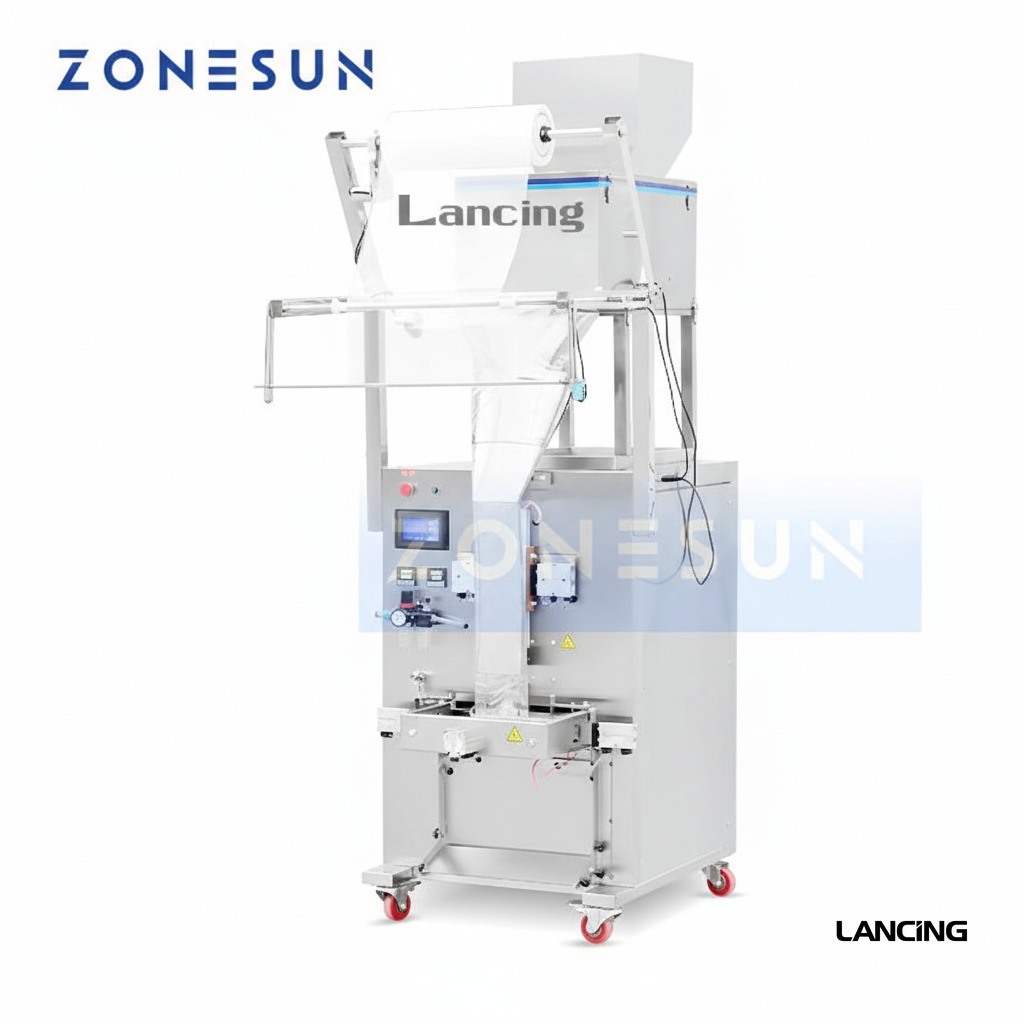
Back Seal Granule Pouch Filling & Sealing Machine
Back seal granule pouches

Back Seal Granule Pouch Filling & Sealing Machine

Back-seal pouch filling and sealing equipment for granules, with controlled filling and practical bag-forming for entry-level or compact automation.

Output: Approx. 20–30 bags/min · Filling range: Approx. 20–1000g customizable · Voltage: 110/220V 50–60Hz View details
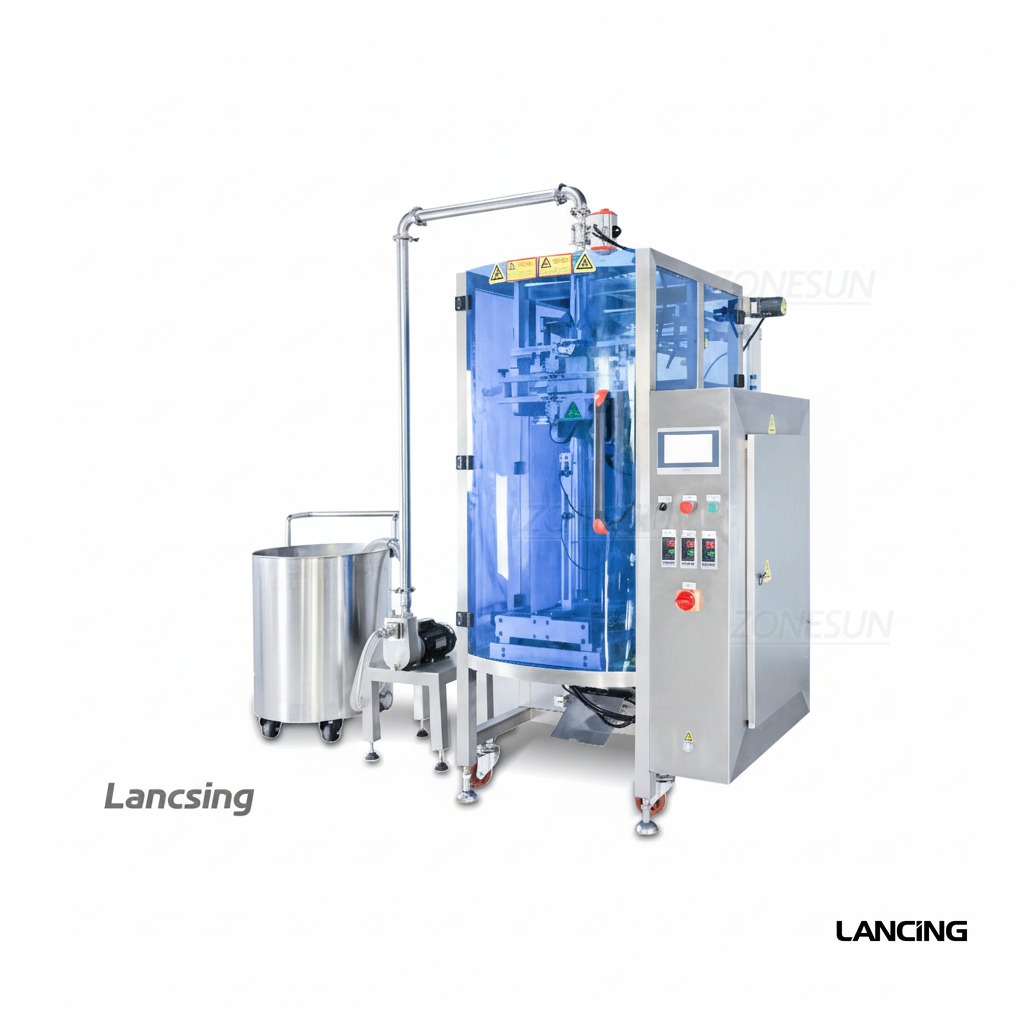
Liquid & Paste Filling Sealing Machine
Liquid and paste bagging

Liquid & Paste Filling Sealing Machine

Automatic filling and sealing machinery for liquid and paste products using tank, pump and film sealing components for sauce, gel, cosmetic and chemical packs.

Model: LU-420GSY · Voltage: 380V 50–60Hz · Power: Approx. 5kW View details
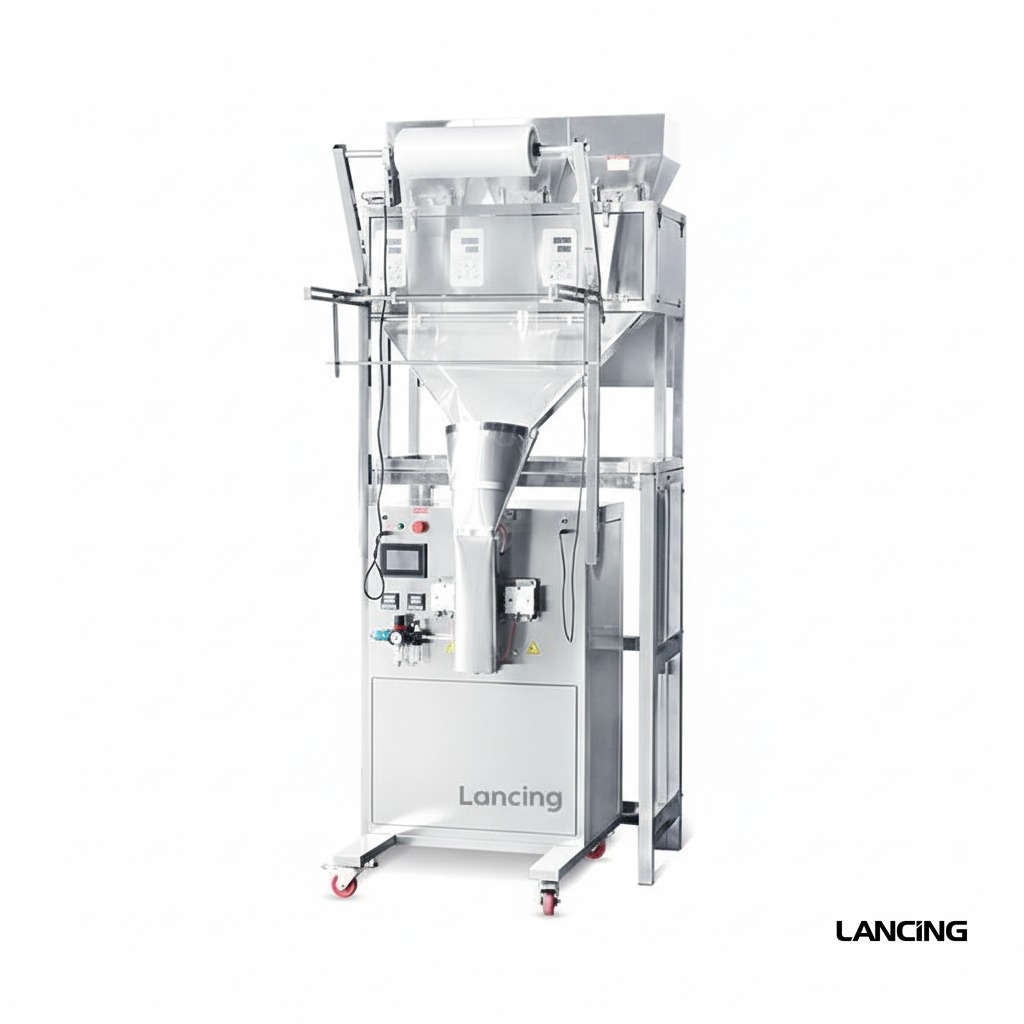
Automatic Granule Vacuum Filling & Sealing Machine
Granule vacuum bagging

Automatic Granule Vacuum Filling & Sealing Machine

Automatic granule packing machinery combining vacuum feeding, weighing, filling, heat sealing and cutting for grain, nuts and similar free-flowing products.

Model: LU-FM1000V · Rated power: 860W · Voltage: 110V 60Hz / 220V 50Hz View details

Which machine type should you start with?

Product typeTypical routeImportant checks
PowdersAuger dosing VFFS, multi-lane auger sachet systemsDust control, product bridging, screw size, seal contamination, fill accuracy
GranulesWeighing filling and sealing, cup dosing, multi-lane VFFSParticle size, fragility, bulk density, target bag weight, product drop height
LiquidsMagnetic pump or piston pump liquid sachet machinesViscosity, foaming, drips, tank feed, hot fill needs, seal leakage
PastesTank-fed pump filling and sealing machinesViscosity, particulates, pump type, clean down, filling temperature

Model comparison

Published machine data for an initial shortlist

Values above reproduce the specifications already published on the individual machine pages. They are not acceptance guarantees: product, film, bag dimensions, dosing tolerance, utilities and downstream handling must be confirmed for the live application.

MachinePublished application rangePublished pack or dose dataPublished output or configuration
LU-FSFM6 multi-lane powder VFFSAuger-filled powder sachets and small bagsBag L50–180mm × W20–95mm; maximum film width 600mmAbout 20–40 pieces/minute per lane
LU-FS06 auger powder VFFSFree-flowing and controlled-flow powdersPublished filling range 150–2000ml; bag W60–250mm × L80–350mm5–80 bags/minute
LU-FSL12 multi-lane granule VFFSSmall granular portion packs12 lanes; 600mm film; 40–80mm published bag lengthLane-based multi-pack configuration
LU-FSK1000 granule weigh baggerWeighed granules and small productsPublished filling range 50–1000g5–15 bags/minute
Back-seal granule machineCompact granule bag forming and sealingPublished filling range about 20–1000g, customisableAbout 20–30 bags/minute
LU-420GSY liquid and paste machineLiquids, gels and application-matched pastesPublished filling range 100–1000ml; bag W60–200mm × L50–400mmAbout 30–45 bags/minute
LU-FSMP8 multi-channel liquid VFFSSmall liquid sachetsEight magnetic pumps; 500mm filmPublished 25–40 bags/minute per channel where product allows
LU-FM1000V granule vacuum systemFree-flowing granules with vacuum product transferPublished weighing range 50–1000g15–25 pieces/minute depending on product

Specification method

Compare machines by the production constraint

Dose first, then bag forming

Choose the filling principle before comparing nominal machine widths. Augers control powder by screw displacement, weigh systems respond to mass, volumetric devices repeat a defined volume and pumps meter liquids or pastes. Each route has different sensitivity to density, aeration, particle damage, temperature and cleaning.

Confirm the real film and seal window

Provide the intended laminate or mono-material structure, roll width, thickness, sealant layer, printed repeat and registration mark. A bagger must pull the web evenly, form it without excessive drag and create repeatable vertical and horizontal seals without product contamination.

Plan product feed and finished-pack discharge

Hopper refill, screw or vacuum transfer, bucket elevators, working platforms and level control affect continuity. At discharge, confirm conveyor height, pack orientation, coding inspection, checkweighing, reject handling and collection. These interfaces can limit accepted output even when the bagger itself can cycle faster.

Use a defined sample-trial record

Record the exact sample batch, test film, target dose, line settings, run duration and inspection method. Where the published specification uses words such as “about”, “depending on product” or “where product allows”, the trial evidence is the appropriate basis for agreement.

Buyer questions

Machine range comparison FAQs

Can two machines with the same bag width handle the same product?

Not automatically. Product flow, dosing method, required tolerance, film behaviour, cleaning and feed-system design can make one configuration more suitable than another.

How should published speed be used?

Use it for an initial shortlist, then agree a product-and-film trial with the target dose, pack checks and downstream equipment defined.

Does a multi-lane machine multiply output by the number of lanes?

Lane count creates parallel capacity, but accepted total output depends on dose time, lane balance, film registration, sealing, cutting and product distribution across every lane.

What determines maximum film width?

Machine frame and forming arrangements set the physical limit, while the selected bag width, gusset or seal geometry and film tracking determine the practical requirement.

What should be included in a quotation request?

Include product and film samples, dose and tolerance, bag dimensions, target accepted output, utilities, coding, inspection, product-feed method, discharge equipment, clean-down requirement and site access.

Application review

Compare the machine around your product, film and accepted output.

Contact Lancing

Model interpretation

Treat every published specification as part of a linked system

Bag dimensions and film width must be checked together

Maximum film width is a physical machine limit, not a promise that every bag format inside that width will run. Finished bag width, gusset or seal geometry, forming-shoulder design, film stiffness and web tracking determine the practical forming set. Use the published values to exclude clearly unsuitable machines, then confirm the production-intent reel and finished-pack drawing before tooling is agreed.

Keep mass and volume ranges in their correct units

The LU-FS06 page publishes a 150–2000 ml filling range because auger dosing is volumetric, while the LU-FSK1000 page publishes a 50–1000 g range because the configuration is presented as a weighing route. A volume range cannot be read directly as grams. Product bulk density, aeration and settling must be used to estimate the likely mass, followed by a trial with the representative material.

Read per-lane speed differently from total accepted output

The LU-FSFM6 data states about 20–40 pieces per minute per lane, and the LU-FSMP8 page identifies a typical channel output where the product allows. Parallel lanes create capacity, but accepted total output also depends on product distribution, lane balance, registration, sealing, cutting and the method used to inspect every lane. The comparison should therefore include labelled lane samples rather than only a cycle counter.

Utilities and interfaces can remove an otherwise suitable model

Voltage, phase, frequency, air pressure, floor space and feed height are selection constraints. The final review must also include product replenishment, coding, checkweighing, reject handling and finished-pack discharge. A bagger that fits the pack may still be unsuitable if the site cannot provide the required utilities or if the wider line cannot accept its discharge height and operating pattern.

Evidence hierarchy

What a published figure proves—and what still needs a trial

Published itemUseful forStill to confirm
Maximum film widthChecking whether the proposed reel can fit the machine family.Forming-set geometry, film drag, tracking, seal style and final bag dimensions.
Bag width and length rangeExcluding packs outside the stated mechanical envelope.Stable forming and sealing with the actual film, dose and product fall.
Filling rangeIdentifying the intended dose scale and whether the listing is mass- or volume-based.Repeatability, tolerance, screw or weighing configuration and product behaviour.
Speed or per-lane outputCreating an initial capacity shortlist.Saleable output with the real dose, film, seals, coding, inspection and normal interruptions.
Voltage, power and air pressureChecking broad site compatibility.Final connected load, air consumption, supply quality, protection and installation arrangement.

Architecture decision

Select motion and machine orientation after the dosing route is understood

Once product flow, fill method and bag format are known, compare how the film and sealing jaws move. An intermittent machine stops the web for the horizontal seal; a continuous or box-motion system moves the jaws with the film. The useful evidence is accepted output with the real dose, film, code and inspection process, not an empty-cycle figure.

Include the installed line, safety and quality controls in the machine brief

Feed systems, platforms, extraction, conveyors, coders, checkweighers, reject devices and case packing can change layout, access and control behaviour. Define who assesses the assembled line, how rejected packs are tracked, what happens when downstream equipment stops and how operators complete reel changes, cleaning and fault recovery.

Machinery comparison questions

Questions to use when comparing form fill seal machinery proposals

How should two VFFS machine quotations be compared fairly?

Compare both quotations against the same product, film, pack drawing, accepted-output definition, utilities and line scope. Separate standard equipment, change parts, feeding, coding, inspection, conveyors, installation and trial responsibilities. A lower headline price is not equivalent if one proposal excludes the items needed to make and accept the finished pack.

Which machine details should be treated as application-dependent?

Output, dose repeatability, seal settings, changeover time and film performance are application-dependent unless they are tied to a defined product, pack, film and test method. Published ranges can establish whether a model is worth investigating, but the application trial and agreed acceptance criteria should determine whether the proposed configuration is suitable.

Why should change parts be listed separately in a machinery proposal?

A clear change-parts list shows which bag widths, seal styles, dosing components and product-contact items are included for each SKU. It also exposes where a recipe change is sufficient and where a forming set, auger, cup, nozzle, jaw or guide must be exchanged. That information affects capital cost, storage, cleaning and planned changeover time.

What proves that a quoted line can produce acceptable packs repeatedly?

The evidence is a defined test using representative product and film, followed by retained samples and recorded settings across start-up, stable running and normal interruptions. The test should count accepted and rejected packs and verify dose, dimensions, registration, seals, cut and code. A short successful demonstration without those conditions is not the same as repeatable production evidence.

Published machine data

Compare verified LU form fill seal machine ranges before arranging a product trial

The table brings together published values already stated on the linked machine pages. Figures described as approximate, configurable, per lane or product-dependent retain those conditions. Final suitability and accepted output must be confirmed with the intended product, film and pack.

Machine routePublished fill or bag rangePublished outputPublished format or utility detail
LU-FSFM6 multi-lane powder VFFSFinished bag: 50–180mm long × 20–95mm wide; maximum film width 600mm.About 20–40 pieces/minute per lane.Auger filling; AC220V/380V, 50–60Hz; about 5.5kW.
LU-FS06 auger powder VFFS150–2000ml; bags 60–250mm wide × 80–350mm long; maximum film width 520mm.5–80 bags/minute.110/220V, 50–60Hz; air pressure 0.6–0.8MPa.
LU-FSL12 twelve-lane granule VFFSBag length 40–80mm ±1mm; 600mm film at 50mm per lane.Confirm lane output with the product and common-feed arrangement.12 lanes; composite film; back sealing; published air pressure 0.8MPa.
LU-FSK1000 granule weigh-fill-seal50–1000g; published filling error ±1g.5–15 bags/minute.OPP, CPP, PE or PET film; 220V/110V 50–60Hz; 1000W.
Back-seal granule pouch machineApproximately 20–1000g, configurable.Approximately 20–30 bags/minute.Granules; back-seal pouch format; 110/220V, 50–60Hz.
LU-420GSY liquid and paste VFFS100–1000ml configurable; bags 60–200mm wide × 50–400mm long.Approximately 30–45 bags/minute.380V, 50–60Hz; approximately 5kW.
LU-FSMP8 eight-lane liquid sachet system500mm film; back seals with rounded corners.Typical channel output 25–40 bags/minute where product allows.Eight magnetic pumps; 150L tank; 50L hopper configurable.
LU-FM1000V granule vacuum fill-seal50–1000g adjustable; published error range ±2g depending on product.15–25 pieces/minute depending on product.110V 60Hz or 220V 50Hz; rated power 860W.

Buyer questions

How to interpret the published machine comparison

Does a published machine speed guarantee accepted output?

No. A published speed is a shortlist value, while accepted output depends on dosing time, product-clear time, film behaviour, seal dwell, coding, rejects, stops and connected equipment. The trial should define how accepted packs are counted and which normal production events are included.

Can volume and weight filling ranges be compared directly?

Not without the product. An auger or volumetric range stated in millilitres must be related to the product's bulk density and operating condition before a target weight can be assessed. Product aeration, compaction and refill behaviour can alter the mass delivered by the same nominal volume.

Why does the same film width produce different bag widths?

Finished bag width depends on the forming geometry, seal allowance, gussets and pack style, not only the reel width. A dimensioned bag drawing and film construction are needed before choosing a forming set or treating a maximum film-width figure as the finished pack width.

Which published utility value should be used for site planning?

Use the values from the final selected machine and all connected equipment, not an unrelated model. Confirm voltage, phase, frequency, installed power, operating demand, compressed-air pressure and flow, extraction and any drainage requirement in the agreed project specification.

Application shortlist

Send the product, bag drawing, film and accepted-output requirement for a model review.

Request machinery advice

Complete machinery brief

Add pack-quality evidence and line-state behaviour to the machine comparison

Product, film, bag dimensions and output identify the physical process. A production-ready brief also states how the finished seal will be accepted and how connected equipment behaves when the line is not running normally.

Define the pack-quality evidence

List every relevant vertical, horizontal and format-specific seal, the visual checks, any strength or leak method, sampling events and the action taken after a failure. See the VFFS seal integrity testing guide.

Define the line-control evidence

Record filler, feed, coder, inspection, reject and conveyor states with their normal, fault and recovery responses. Use the VFFS line controls interface guide before electrical and software scope is fixed.

Call now