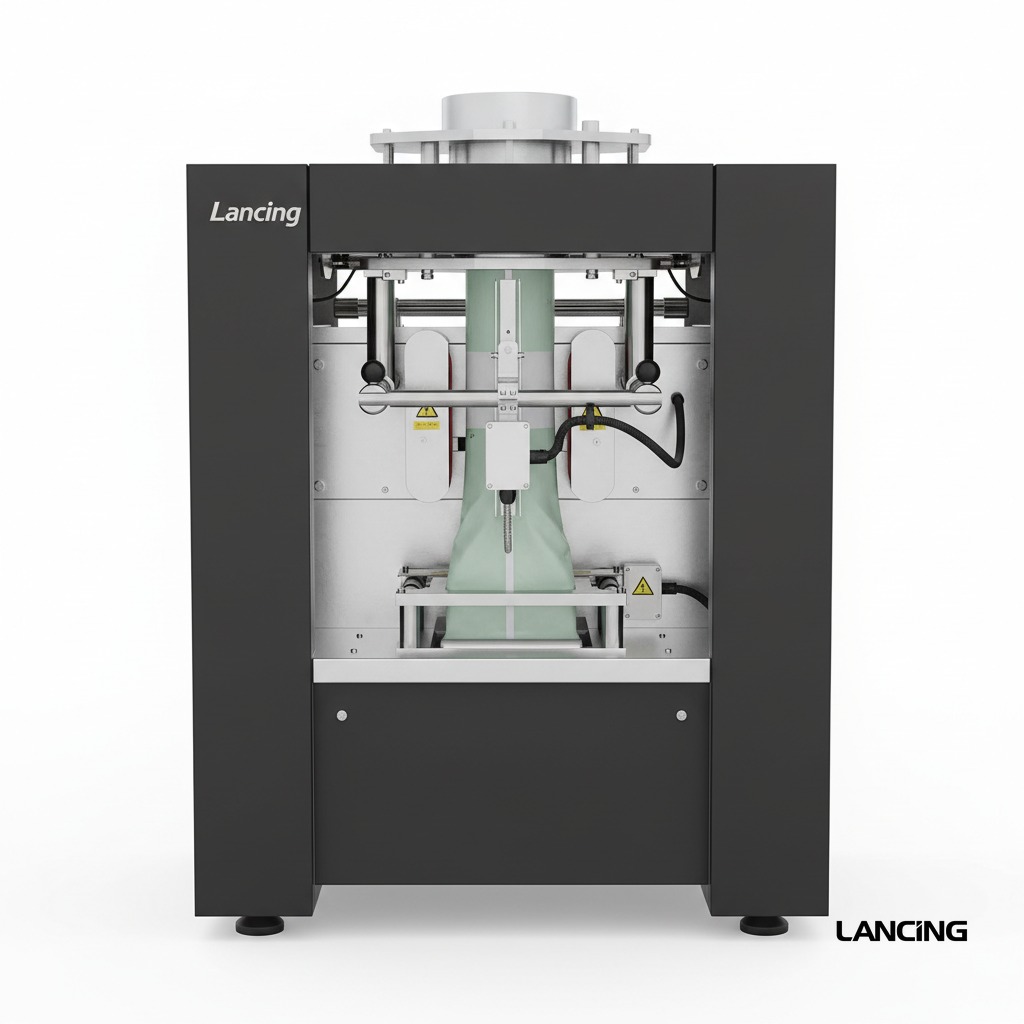
Powder bagging
Auger-fed VFFS machinery for powders where fill accuracy, dust management and sealing quality are central to performance.
Powder machinesApplications
Use product behaviour, pack format and output target to choose the correct VFFS, pouch filling or sachet sealing route.
Auger-fed VFFS machinery for powders where fill accuracy, dust management and sealing quality are central to performance.
Powder machines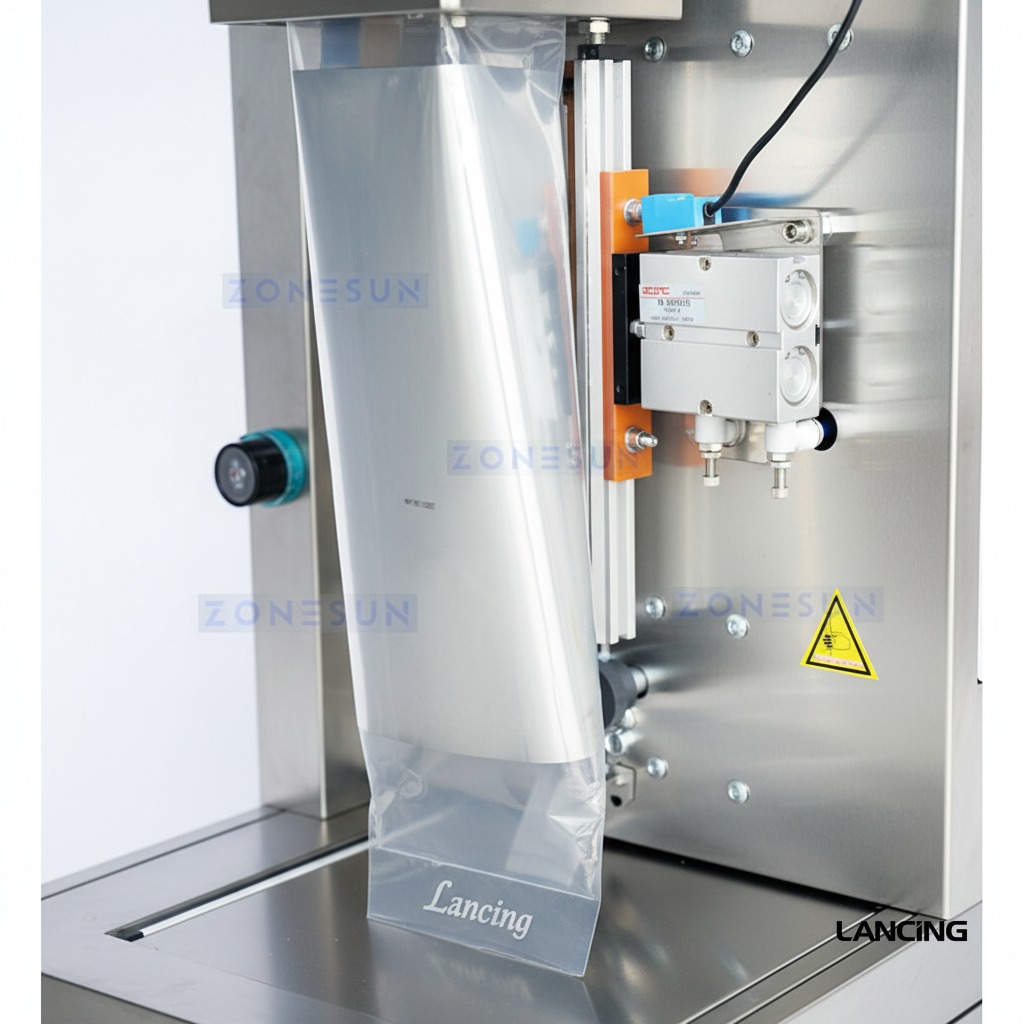
Granule packing machinery using weighing, cup dosing or multi-lane systems for free-flowing products and small pouches.
Granule machines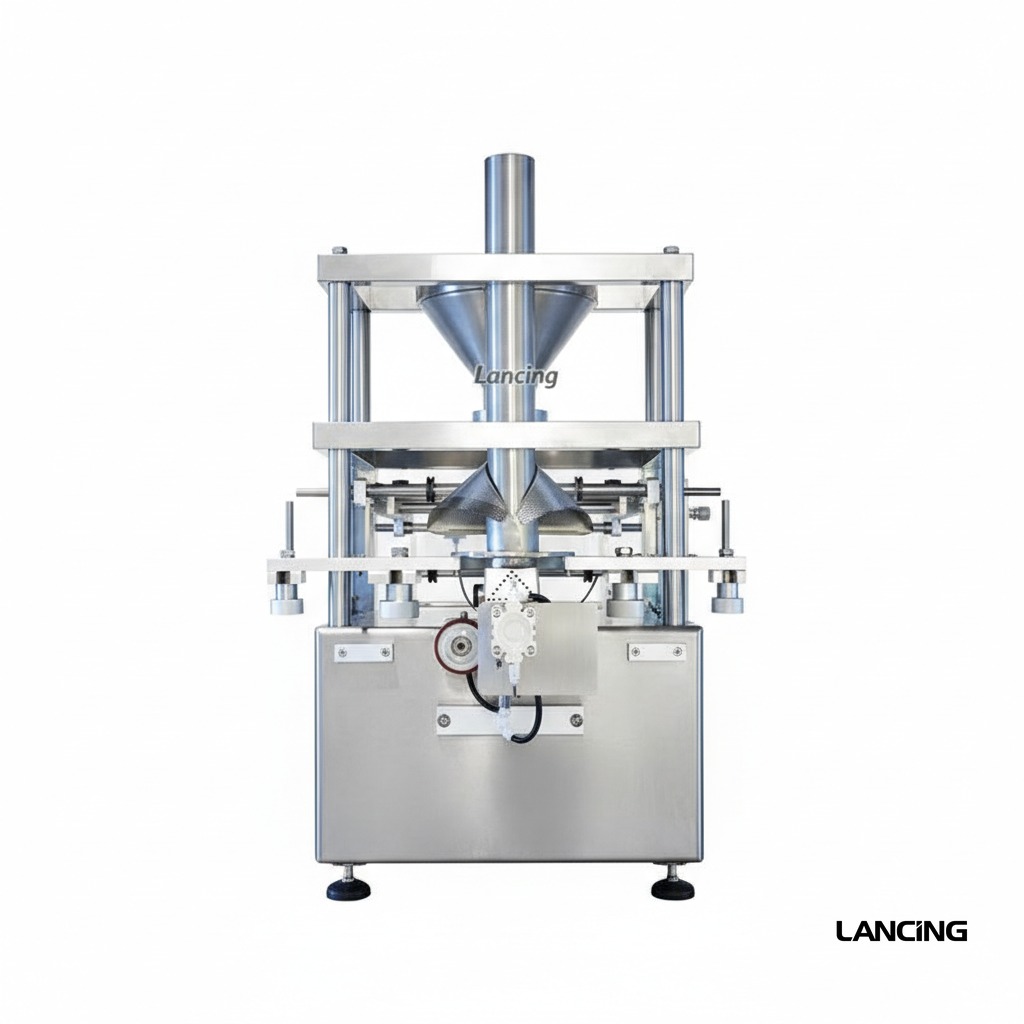
Liquid and paste filling sealing machines for sauces, oils, gels, cosmetic liquids and chemical sachets.
Liquid machinesLine planning
Incline conveyors, screw elevators, tanks, pumps, hoppers, vibratory feeders and product conditioning affect real speed.
Date coding, batch coding and film registration need to be allowed for before the control system and film path are finalised.
Checkweighers, reject systems, metal detection and seal inspection can change discharge height and line footprint.
Discharge conveyors, rotary tables, pack-off benches and secondary packing should be planned with operator access in mind.
Product behaviour matrix
Product names alone are not enough for selection. Samples should represent normal production variation, including any fines, moisture, temperature or particulate range that affects dosing and sealing.
| Application condition | What can change during production | What to confirm before selection |
|---|---|---|
| Cohesive or dusty powder | Bridging, aeration, density change and powder reaching the seal area | Representative bulk density, feed method, auger trial, extraction need and seal-contamination check |
| Free-flowing granules | Surging, bouncing, particle breakage and uneven distribution | Particle-size range, fragility, target mass tolerance, hopper geometry and discharge control |
| Thin or foaming liquid | Drip, splash, foam and temperature-related viscosity change | Pump compatibility, nozzle shut-off, fill temperature, headspace and seal-area protection |
| Viscous paste or gel | Stringing, trapped product, particulates and slow refill | Viscosity at operating temperature, particulate size, pump route, hose/nozzle bore and cleaning method |
| Printed film | Registration drift, web stretch, tracking error and incorrect cut position | Mark contrast, repeat length, film tension, photocell position, code area and finished-pack tolerance |
| Small multi-lane sachets | Unequal lane feed, lane-to-lane dose variation and cumulative stoppages | Distribution method, individual lane controls, film geometry, lane access and the acceptance sample from every lane |
From sample to specification
Record whether the product compacts, aerates, bridges, foams, strings, contains particulates or changes with temperature. For powders and granules, bulk density and particle-size distribution help interpret volumetric or auger settings. For liquids and pastes, viscosity at the intended fill temperature and material compatibility are more useful than a broad product label.
Provide the flat bag width, finished length, seal style, fill level, headspace, tear feature, coding area and presentation tolerance. The roll width and printed repeat must be compatible with the forming shoulder and sealing geometry. Film samples should be production-intent material rather than an unrelated trial laminate.
State whether the target is machine cycles, filled packs or inspected good packs per minute. The last measure is usually the most useful because it includes dosing, registration, sealing, cutting, coding and downstream handling. Define the inspection frequency and what constitutes a reject before the trial begins.
This site covers roll-fed vertical form fill seal systems. For a project centred on pre-made pouches, compare the specialist information on pouchfillers.co.uk. For sachet-only projects, use sachetfillingmachines.co.uk. Broad powder dosing and standalone auger enquiries are covered by powderfillers.co.uk and augerfillers.co.uk.
Buyer questions
Machine behaviour can change with bulk density, fines, moisture, temperature, viscosity and particulates. A representative sample allows the dosing and seal risks to be assessed against the real operating condition.
The amount depends on machine set-up and the agreed test duration. It should be sufficient to establish stable tracking and sealing, run the required checks and repeat settings after a controlled stop and restart.
Define this before testing. Typical checks include dose, bag dimensions, registration, seal continuity, cut position, code legibility and freedom from product in the critical seal area.
It may be possible where the dosing, contact materials, clean-down, bag sizes and film range are compatible. Each materially different product should still be assessed for feed and sealing behaviour.
At the start of the project. Their position, conveyor interfaces, reject logic and communication signals can affect the final machine and line layout.
Application review
Application evidence questions
Yes. A free-flowing product may be weighed or dosed volumetrically, while a powder may be handled by different auger arrangements depending on density, flow and target range. The correct choice follows the required tolerance, product behaviour, clean-down and output, not the product category alone. Comparative trials are useful when more than one route remains credible.
Equal target weights do not mean equal volume, fall time, dust, breakage, viscosity or seal risk. One product may occupy much more bag volume or need longer to settle clear of the jaws. The dosing device, forming tube clearance, hopper, feed system and bag length must therefore be selected around physical behaviour as well as nominal weight.
Identify the production conditions most likely to change flow or sealing, such as moisture, temperature, particle distribution, bulk density, oil content or viscosity. Trial representative normal and credible worst-case samples where possible. If only one batch is available, record its condition and state which variations still require confirmation before final acceptance.
Choose samples that challenge the controlling part of the process without being unrepresentative. This may be the lowest and highest bulk density, the finest dusty fraction, the largest fragile piece, the coldest viscous liquid or the product with the greatest tendency to foam, bridge or string. Agree the rationale so the trial is demanding but commercially relevant.
Application engineering
The product name is only a starting point. A useful application brief describes how the material flows, changes during storage, reaches the filler and behaves close to the open seal area.
| Product behaviour | Dosing route to assess | VFFS risks to test | Evidence to send |
|---|---|---|---|
| Fine, cohesive or aerated powder | Auger dosing with application-matched hopper feed and agitation. | Bulk-density change, dust, bridging, product cut-off and contamination of the horizontal seal. | Representative batch, density range, target weight, tolerance, fill history and film sample. |
| Free-flowing granules or pieces | Linear or multihead weighing, volumetric cups or counting where appropriate. | Breakage, product bounce, trapped pieces, discharge height and synchronisation with the bagger. | Particle-size range, fragile-product limits, target weight or count and required accepted output. |
| Thin liquid | Metering or application-matched pump with controlled nozzle shut-off. | Drip, splash, foam, liquid in the seal, temperature change and clean-down. | Viscosity or flow description, temperature, fill volume, product compatibility and seal requirements. |
| Viscous paste, gel or sauce | Positive-displacement or other pump selected around product rheology and inclusions. | Stringing, particulates, pressure variation, nozzle cut-off, fill temperature and residue near the jaws. | Product sample, particle size, target dose, maximum temperature and cleaning method. |
| Small components or irregular pieces | Weighing, counting or controlled feeding according to the acceptance method. | Orientation, bridging, impact damage, sharp edges, seal-area trapping and finished-pack handling. | Worst-case parts, count or weight tolerance, pack drawing and any detection or reject requirement. |