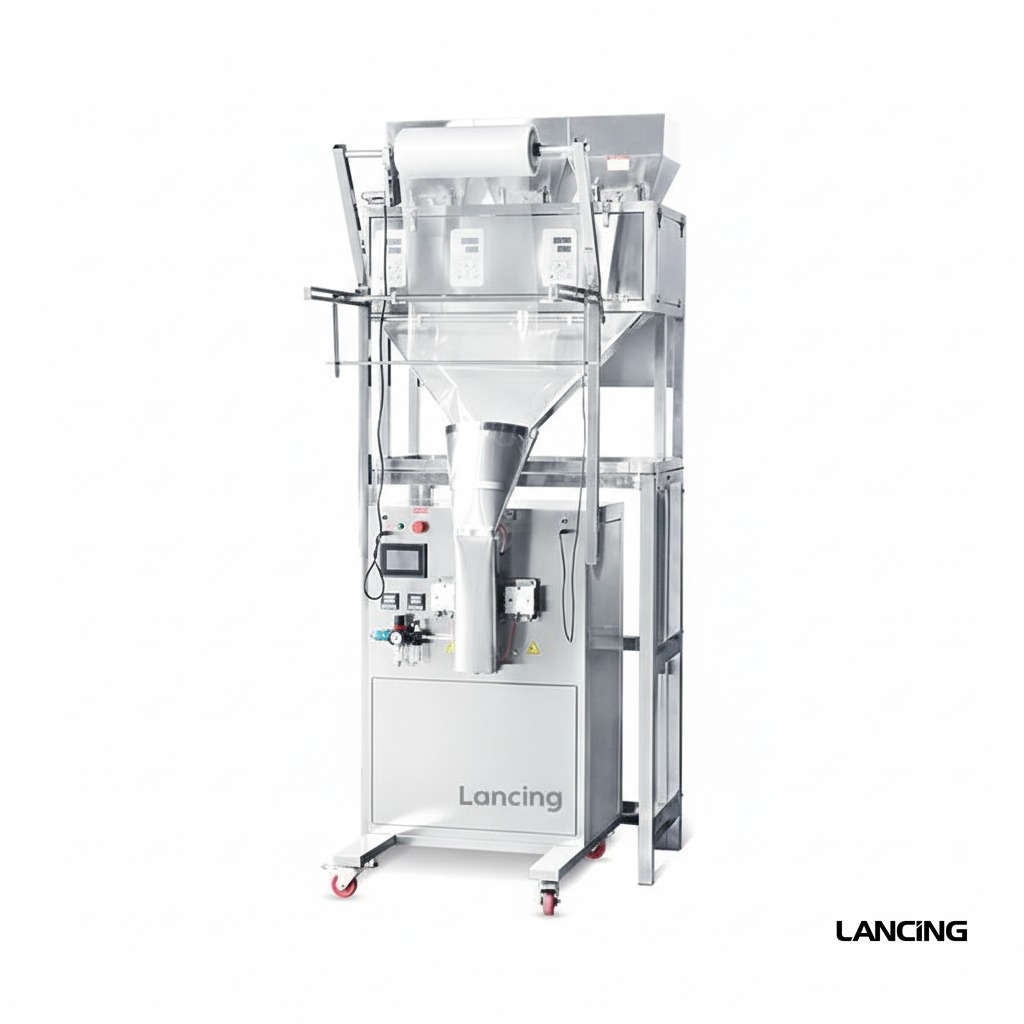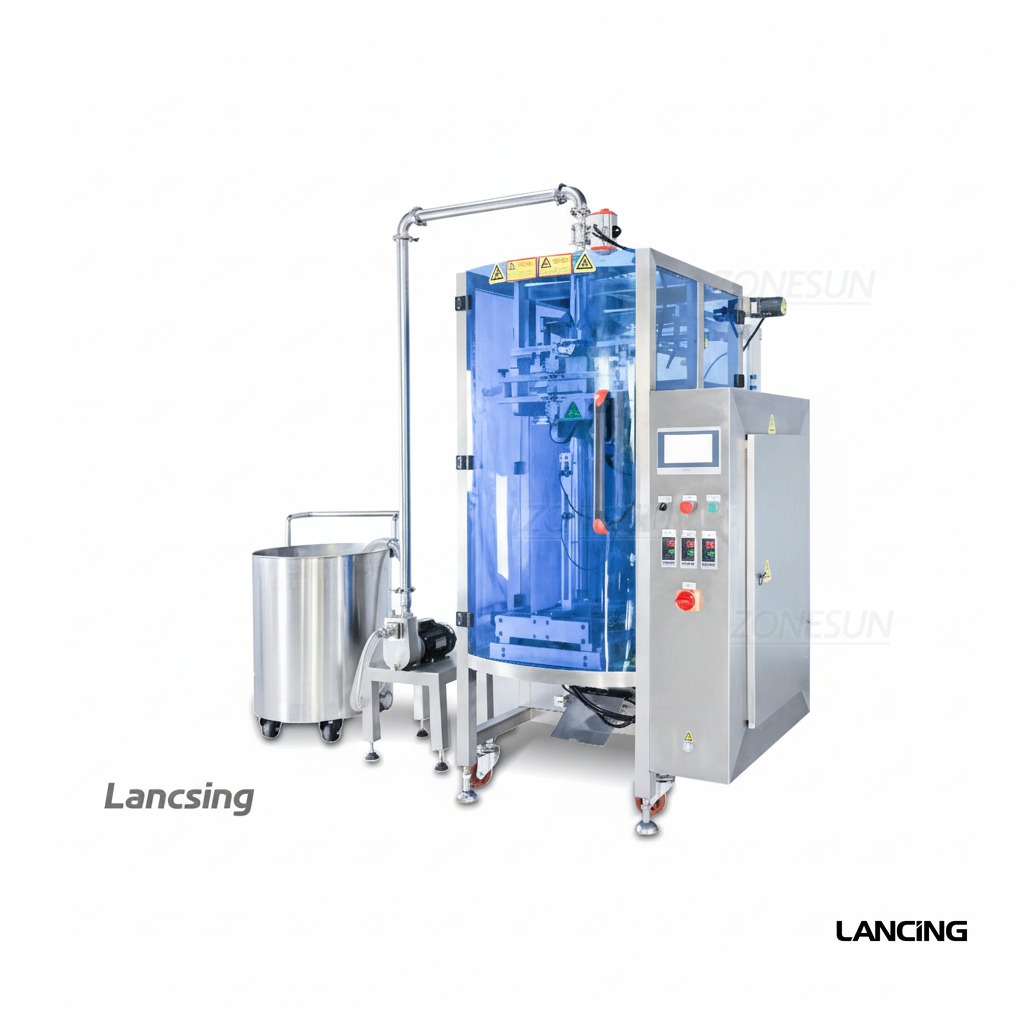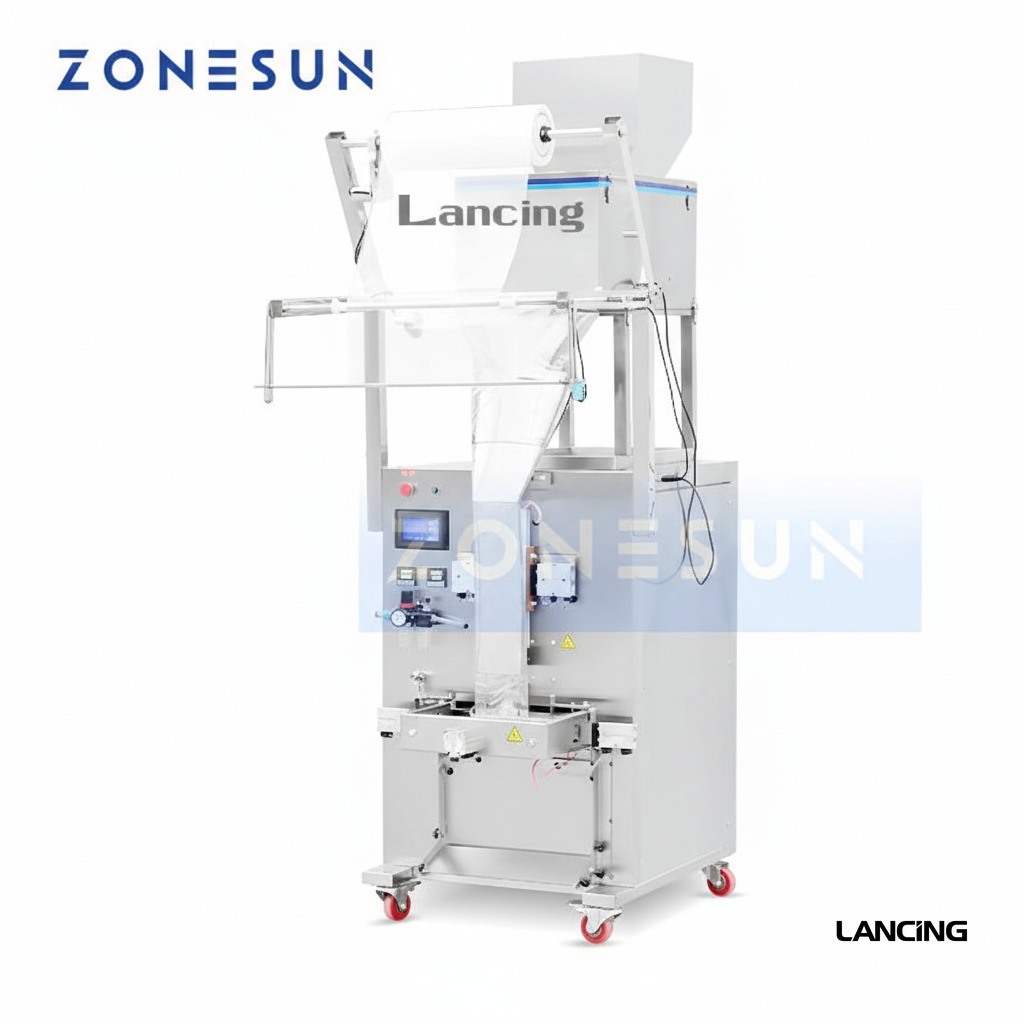
Pouch packing machinery

Pouch filling and sealing machines for compact automation

Use this guide to compare pouch filling, bag sealing and back seal pouch machinery before sending product samples, pack drawings and output targets to Lancing for a practical machine shortlist.

SEO focus

Built for real production requirements, not only catalogue names.

Lancing helps UK manufacturers compare packaging machinery by product behaviour, dosing technology, film and seal requirements, target bags per minute, available utilities and line layout. The aim is to specify the correct form fill and seal machinery route before a formal proposal is prepared.

Pouch filling routes vary by product

Pouch filling and sealing machinery can be configured for granules, powders, liquids and pastes. The filling system, film feed, forming tube, back seal, cutting and discharge route all need to match the product and intended pouch format.

Compact machines for practical production

Back seal pouch machines and compact weigh-fill-seal systems can suit businesses moving from manual filling to repeatable automation. They are often selected when floor space, operator access and product changeover matter as much as headline speed.

Getting seal and presentation right

Pouch quality depends on film structure, bag width and length, seal temperature, filling accuracy, jaw pressure, cut-off position and downstream handling. Product samples and pack drawings make quotation much more reliable.

Questions buyers search for

Pouch filling sealing machines FAQs

What is a back seal pouch?

A back seal pouch is formed from film with the vertical seal running down the back of the pack, commonly used for many sachet and bag formats.

Can pouch machines fill granules and powders?

Yes, but powders usually need auger filling while granules normally need weighing or volumetric dosing.

Are pouch filling machines customisable?

Yes. Film width, forming parts, filling system, output and discharge layout are normally configured around the application.

Ready to compare options?

Send product, pack size, film and output target.

Contact Lancing

Pouch process ownership

Separate roll-fed bags from pre-made pouch projects

Roll-fed back-seal bags remain a form fill seal process

Where the machine creates a tube from film, doses the product and makes the seals, the project belongs with the form fill seal range even when the finished pack is described commercially as a pouch.

Pre-made pouches need different handling

A pre-made pouch system must pick, open, present, fill and close a supplied pouch. Zippers, gussets, pouch stiffness and opening reliability become primary constraints. Detailed selection for that process is owned by pouchfillers.co.uk.

Define the finished pack before comparing machines

Supply pouch or bag samples, dimensions, material, closure features, fill level and presentation tolerance. Confirm whether the requirement is roll stock, a pre-made pouch or both; treating them as interchangeable can lead to the wrong feeding and sealing technology.

Check seal access and product clearance

Granules, powders and liquids can each contaminate or distort the closure area. The dosing path, headspace, product settling and seal geometry should be checked using production-intent material.

Buyer questions

Further pouch process questions

How can I tell whether the project is VFFS or pre-made pouch filling?

If the machine forms the pack from roll film it is form fill seal. If supplied pouches are opened and filled, it is a pre-made pouch process.

Can the same sealing system close every laminate?

No. Sealant layer, thickness, contamination tolerance and closure features must be compatible with the jaw design and process window.

What pouch samples should be provided?

Provide production-intent pouches or film, dimensional drawings, winding direction where relevant, closure details, fill target and acceptable presentation criteria.

Why is headspace important?

Sufficient product clearance helps the machine present a clean, flat seal area and can affect finished-pack handling.

Application review

Confirm roll-fed film or pre-made pouch before selecting the machinery route.

Contact Lancing

Pack route

Decide whether the pouch is formed from film or supplied pre-made

Roll-fed VFFS and premade-pouch machinery can both produce flexible packs, but they handle material, changeover, opening, presentation and sealing differently.

Decision factorRoll-fed VFFSPremade pouch route
Pack supplyThe machine forms the pack from reel material.Finished pouches are supplied, indexed, opened, filled and sealed.
Core tooling questionForming set, film width, repeat, vertical seal and horizontal jaws.Pouch magazine or infeed, opening reliability, grippers and top-seal presentation.
Changeover evidenceReel, forming set, bag recipe, registration and seal settings.Pouch dimensions, opening, gusset, zip or spout position and gripper settings.
Material trialProduction-intent reel and finished-pack drawing.Representative pouches from the intended converter and every critical format.
Common selection riskTreating maximum film width as finished bag width without seal or gusset allowance.Assuming a pouch that opens by hand will open consistently at the required machine cycle.
Call now