Sachet machinery UK

Sachet packing machines for powders, granules and liquids

Use this guide to compare sachet packing, stick pack and multi-lane VFFS machinery before sending product samples, pack drawings and output targets to Lancing for a practical machine shortlist.

SEO focus

Built for real production requirements, not only catalogue names.

Lancing helps UK manufacturers compare packaging machinery by product behaviour, dosing technology, film and seal requirements, target bags per minute, available utilities and line layout. The aim is to specify the correct form fill and seal machinery route before a formal proposal is prepared.

Sachet packing is driven by dose and lane count

Sachet packing machines are selected around dose type, sachet width and length, film material, output and seal format. Powders, granules and liquids each need different filling technology and different controls around product-in-seal risk.

Multi-lane machines for higher output

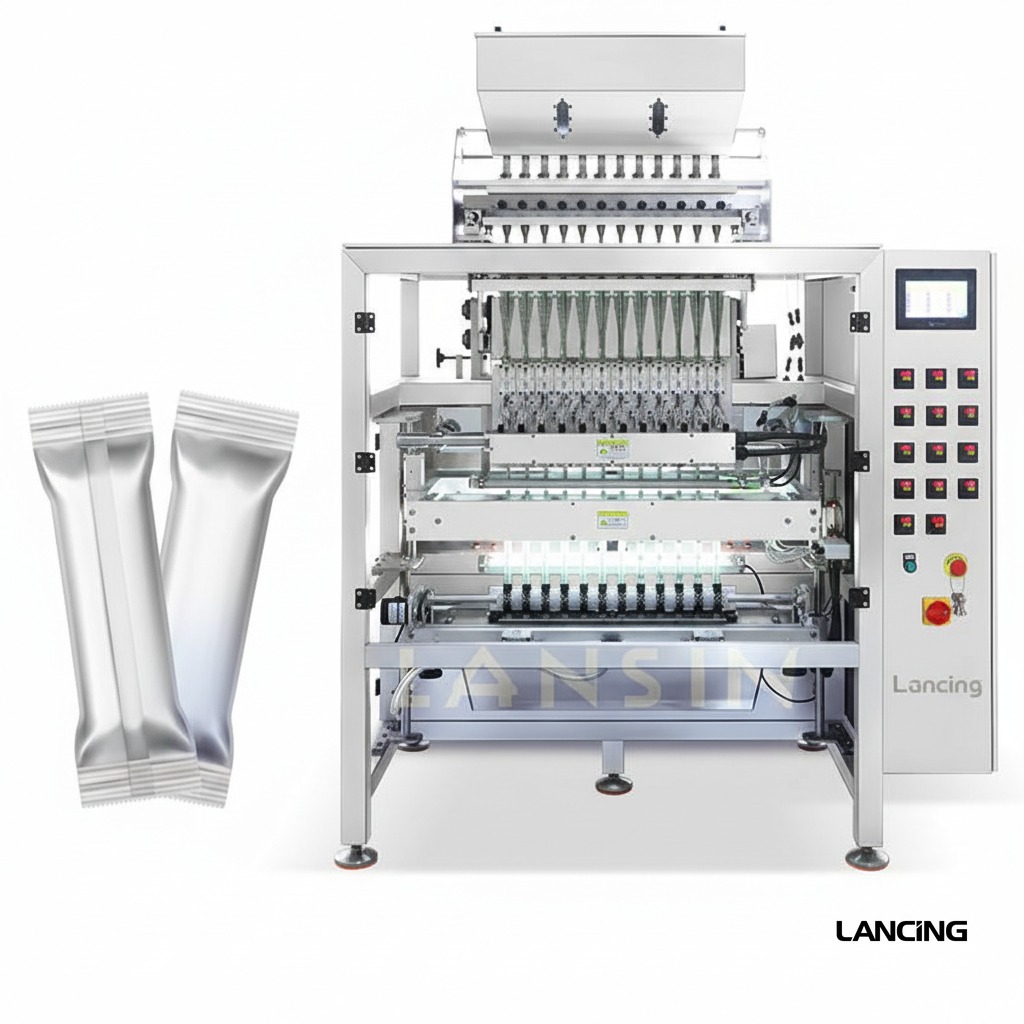
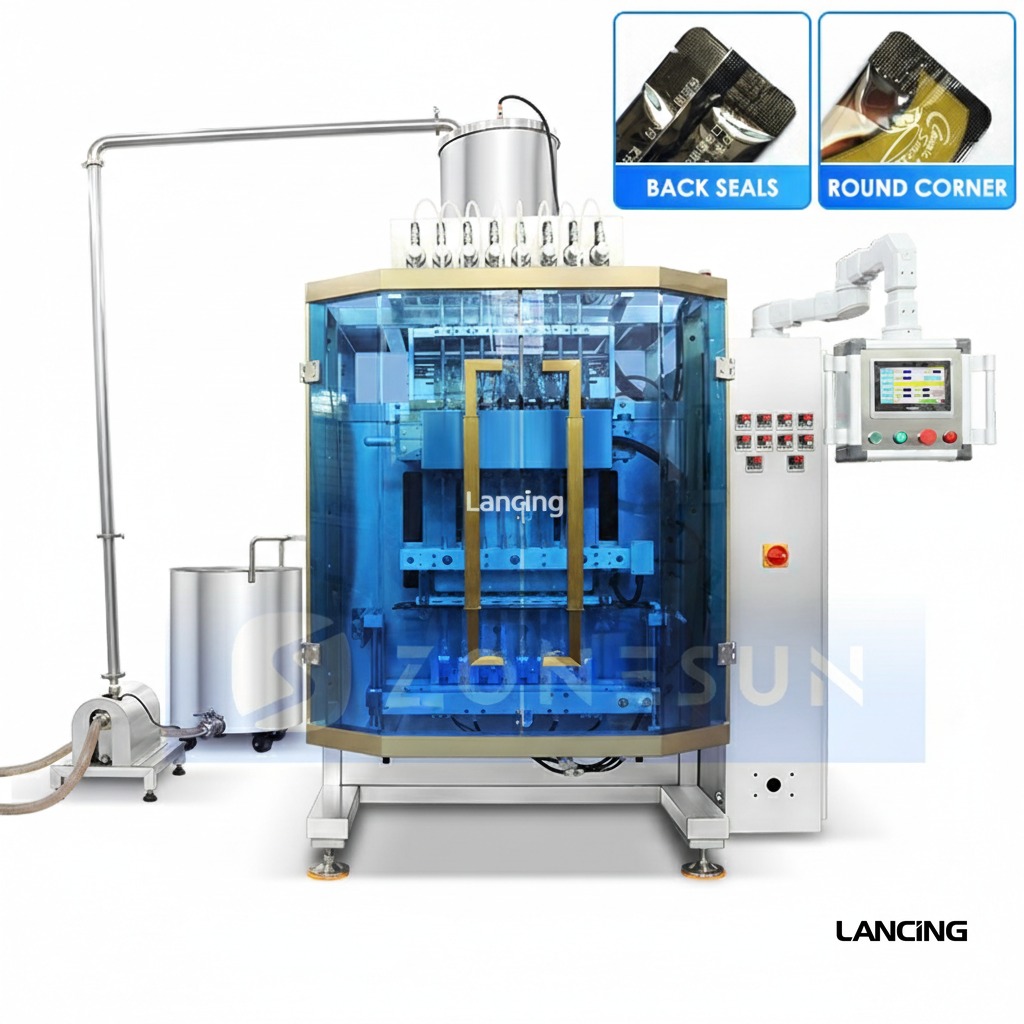
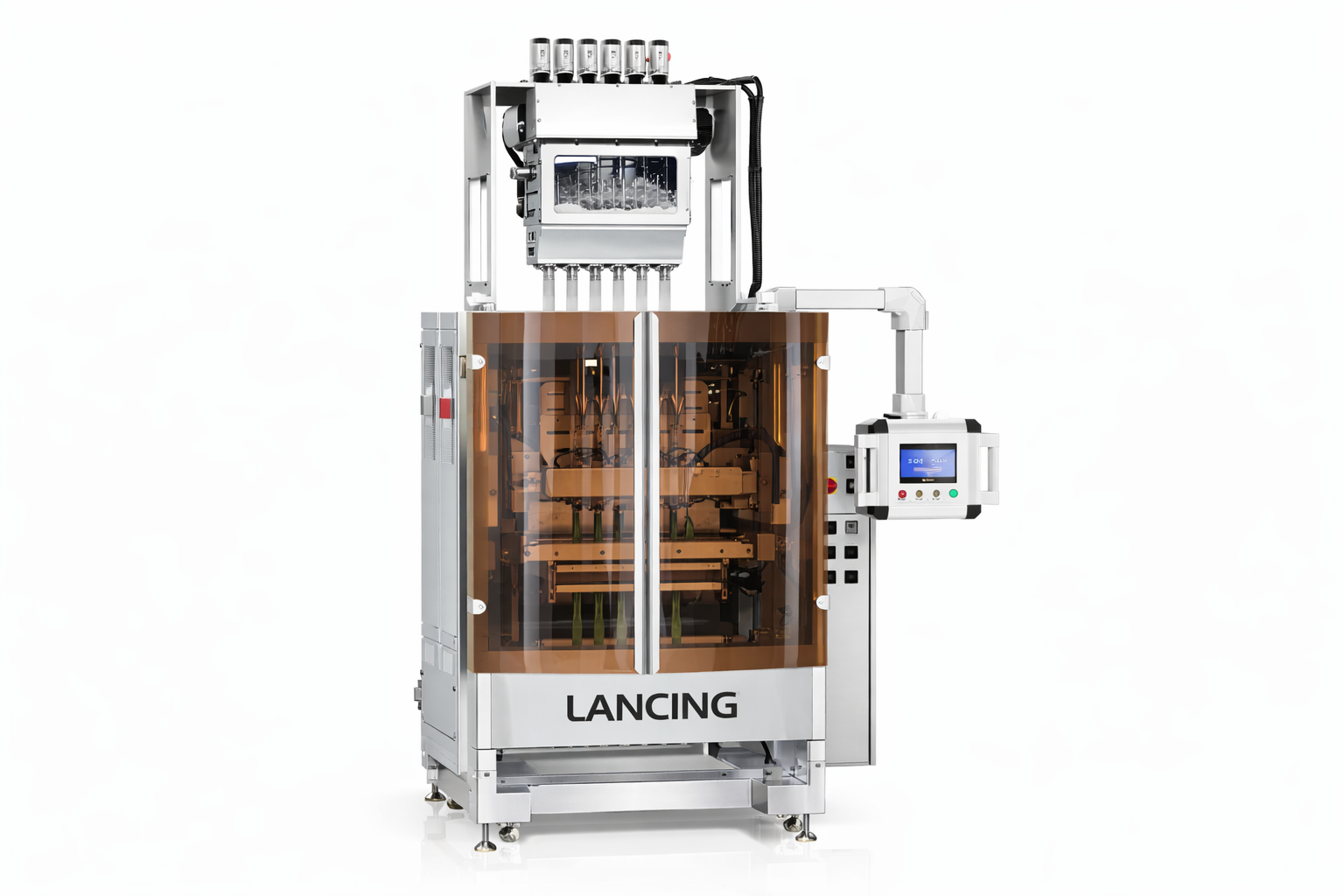
Multi-lane VFFS machines can create several sachets per machine cycle, increasing output for small packs. The number of lanes depends on sachet width, film web, product dosing and the space available for filling assemblies.

Useful information before quotation

A good sachet machinery enquiry includes product sample, target fill, sachet size, film structure, required bags per minute, print or coding needs, pack-off method and any inspection requirement.

Questions buyers search for

Sachet packing machines FAQs

What can sachet packing machines pack?

Common products include powders, seasoning, sugar, granules, sauces, oils, gels and other small portion products.

Is a sachet machine the same as VFFS?

Many sachet machines are vertical form fill seal systems, especially when they form sachets from roll-fed film.

What controls sachet seal quality?

Film material, seal temperature, jaw pressure, dwell time, product cleanliness at the seal and correct bag timing all affect seal quality.

Ready to compare options?

Send product, pack size, film and output target.

Contact Lancing

Sachet process ownership

Define sachet dose, lane geometry and film repeat together

The dosing method still leads the selection

Small sachets can contain powders, granules, liquids or pastes, but each product needs a different feed and cut-off method. Dose time and product clearance influence lane count, bag length and accepted output.

Multi-lane output requires lane-by-lane evidence

A higher lane count only adds useful capacity when product distribution, dosing, registration, sealing and cutting remain controlled across every lane. Samples should be identified by lane during the acceptance run.

Printed repeats must match the lane layout

Provide the artwork repeat, registration mark and lane pitch before film is produced. The machine geometry, slitting and cutting arrangement need to align with the final design, not a generic sample roll.

Use the specialist sachet owner for format-led research

This site covers sachets where the process is part of vertical form fill seal machinery. Broader sachet-format and specialist lane-selection content belongs on sachetfillingmachines.co.uk.

Buyer questions

Further sachet packing questions

What determines the number of lanes?

Dose time, sachet width, film width, product distribution, sealing and target accepted output all contribute. The practical lane count should be proven with the application.

How should lane-to-lane consistency be checked?

Identify samples by lane and compare dose, bag dimensions, print registration, seals and cut position over the agreed run.

When should artwork be finalised?

After the machine lane pitch, film path, registration mark and cutting arrangement are confirmed, and before production film is ordered.

Can one multi-lane machine pack different products?

Potentially, but contact parts, dosing technology, cleaning, film geometry and each product’s operating window must be assessed.

Application review

Send dose, sachet drawing, artwork repeat and representative product.

Contact Lancing

Sachet configuration

Select lane count, dosing method and seal pattern from the complete sachet brief

A small sachet does not automatically require a multi-lane machine. Dose time, web width, lane pitch, seal width, artwork repeat, slitting, product distribution and accepted output must support the chosen lane count.

Sachet decisionWhat must be definedWhat the trial must prove
Single versus multi-laneRequired accepted output, dose time, available film width and product-feed distribution.Every lane meets dose, length, seal, cut and registration limits through normal events.
Back seal versus three- or four-side sealFinished appearance, film path, seal widths, artwork panels and opening feature.Seal continuity, pack symmetry, product-clear margin and cut presentation.
Printed filmRepeat length, eye mark, unwind direction, code area and lane artwork.Stable registration at start, speed, restart and reel change without progressive drift.
Rounded corners, tear notch or shaped cutFeature position, tooling, waste removal, guarding and consumer opening requirement.Repeatable cut quality without weakening a seal or leaving unacceptable trim.
Call now