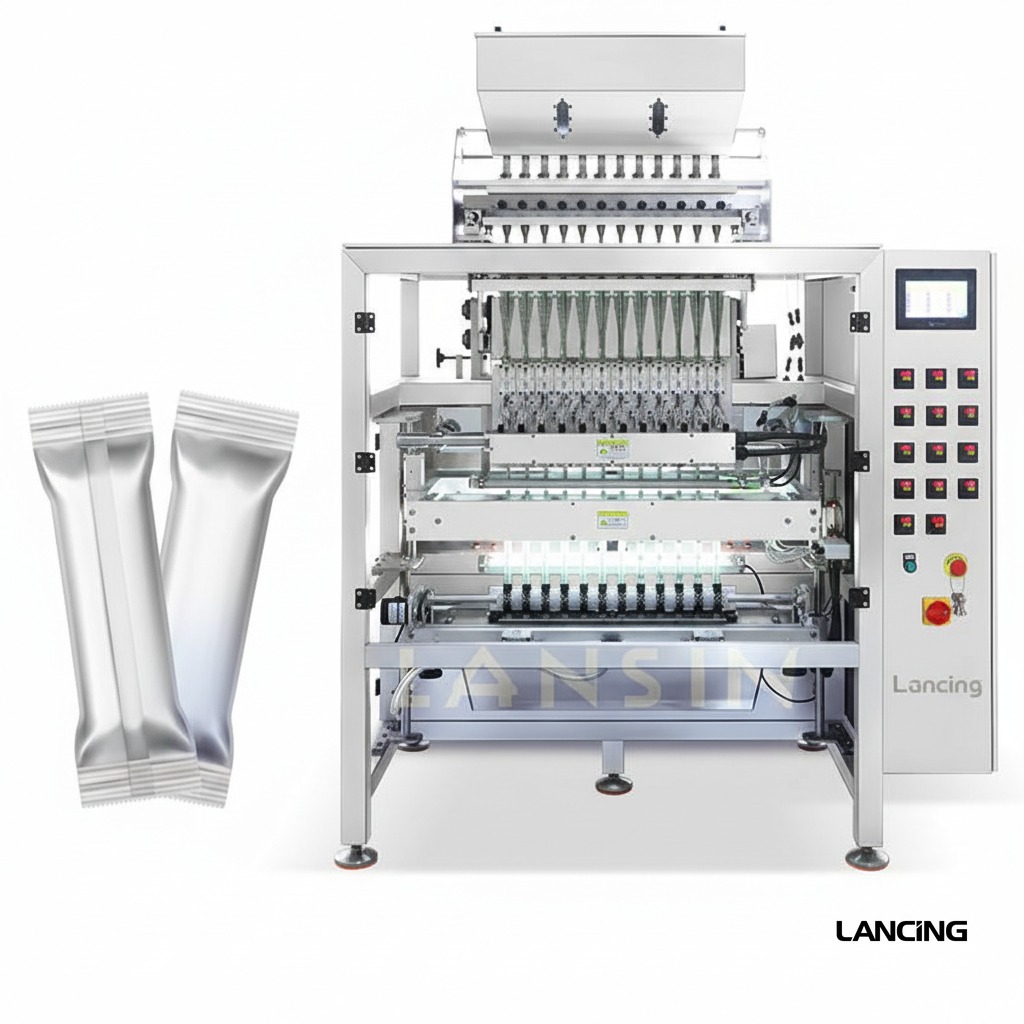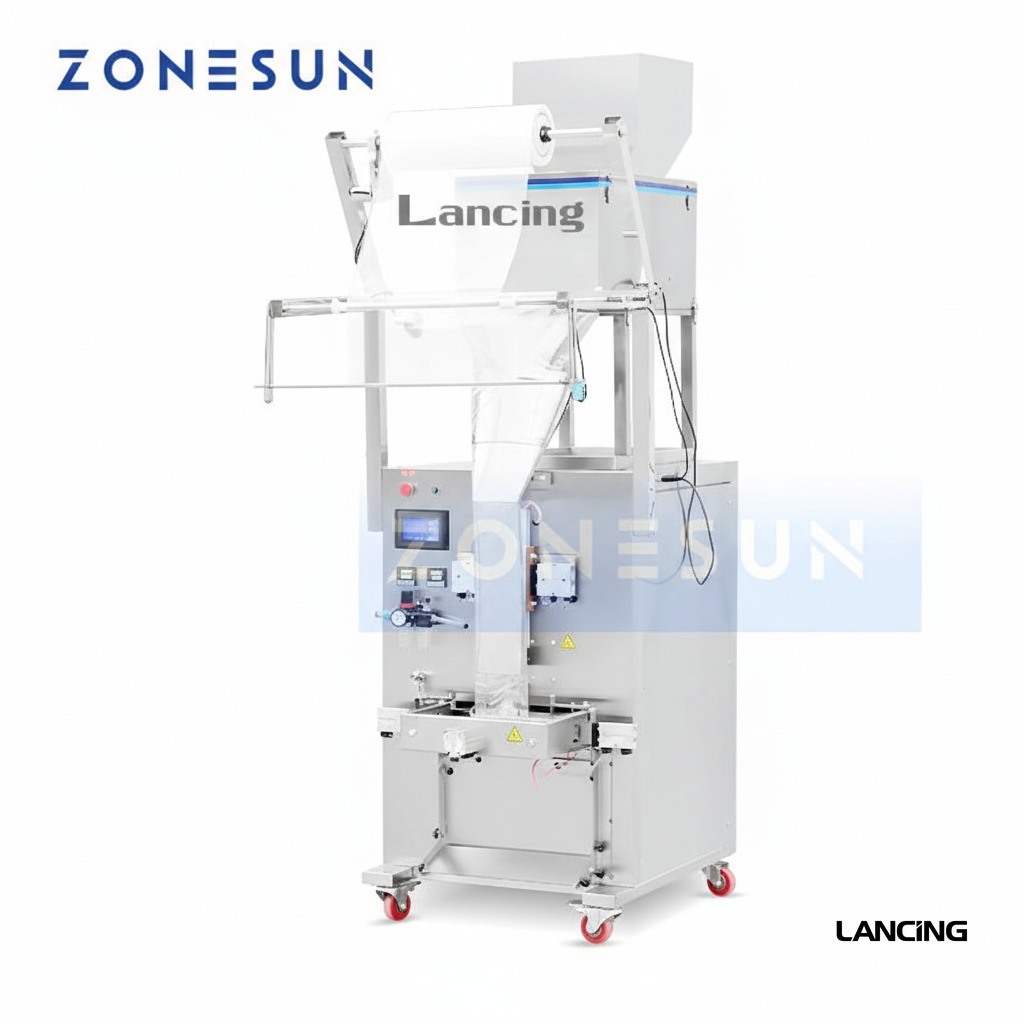
Granule weighing bagger

Automatic Pouch Granule Bag Weighing Filling Sealing Machine

Compact automatic granule weighing, filling and bag sealing machine for small and medium pouch projects requiring controlled weights and a practical footprint.

Automatic Pouch Granule Bag Weighing Filling Sealing Machine

Machine overview

Compact automatic granule weighing, filling and bag sealing machine for small and medium pouch projects requiring controlled weights and a practical footprint.

This route is specified around your product behaviour, film material, required pack dimensions, expected output, available utilities and downstream handling. Final specification is confirmed against the live application.

Typical applications

  • Seeds
  • Hardware
  • Food granules
  • Small pouches

Specification guide

ModelLU-FSK1000
Voltage220V/110V 50–60Hz
Power1000W
Package speed5–15 bags/min
Filling range50–1000g
Filling error±1g
Film materialsOPP / CPP / PE / PET
Machine sizeApprox. 1300 × 770 × 2150mm

Project notes

Confirm product samples, bag drawings, filling range, dosing tolerance, seal pattern, film roll details and any print, inspection or reject requirements before ordering.

Granule weighing pouch specification notes

A weigh-fill-seal route suits granular products where controlled weight matters. Confirm product flow, target tolerance, bag size, hopper feed, discharge height and pack-off method before final specification.

For a wider comparison, see the related specification guide or send a product sample, bag size and target output to Lancing.
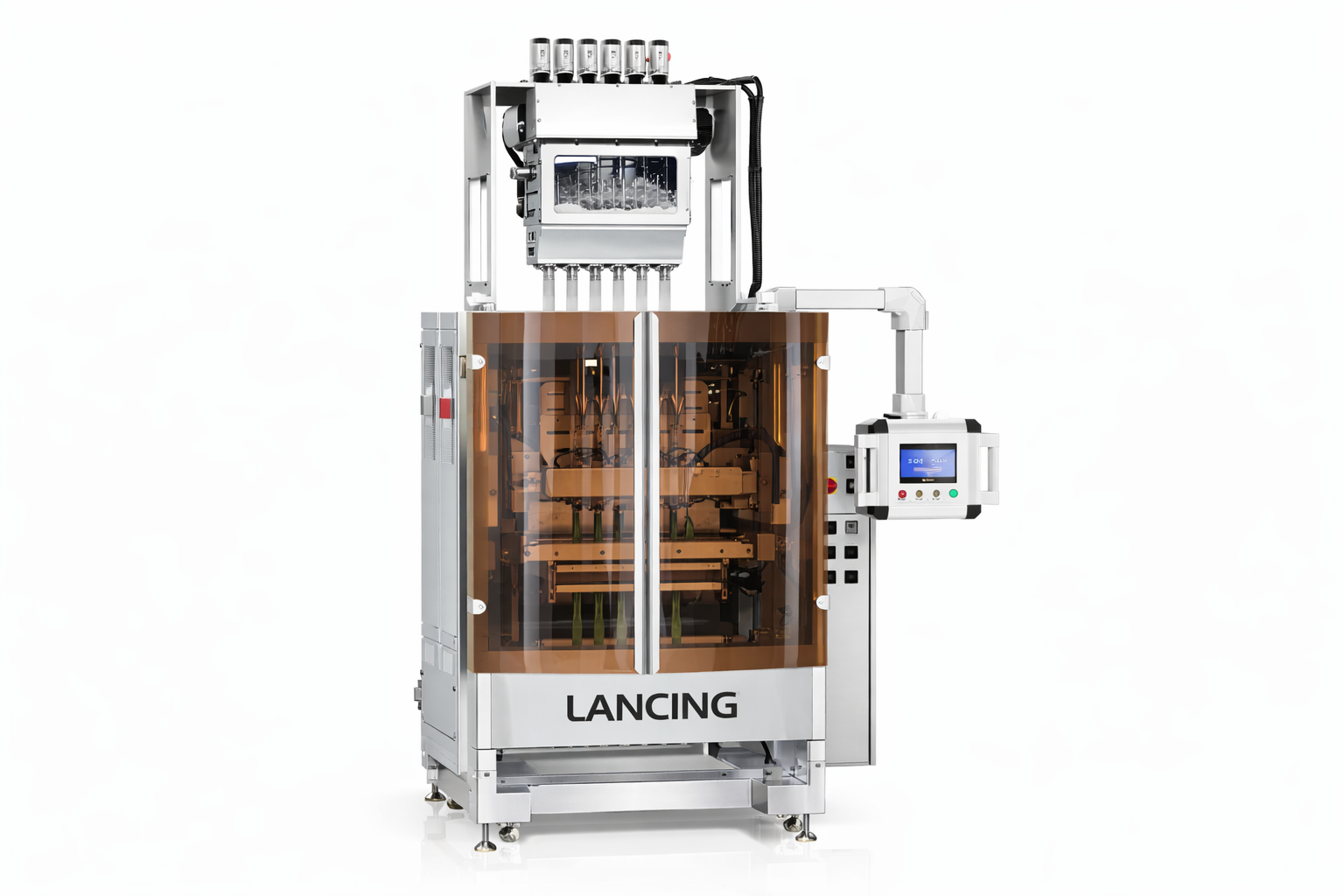
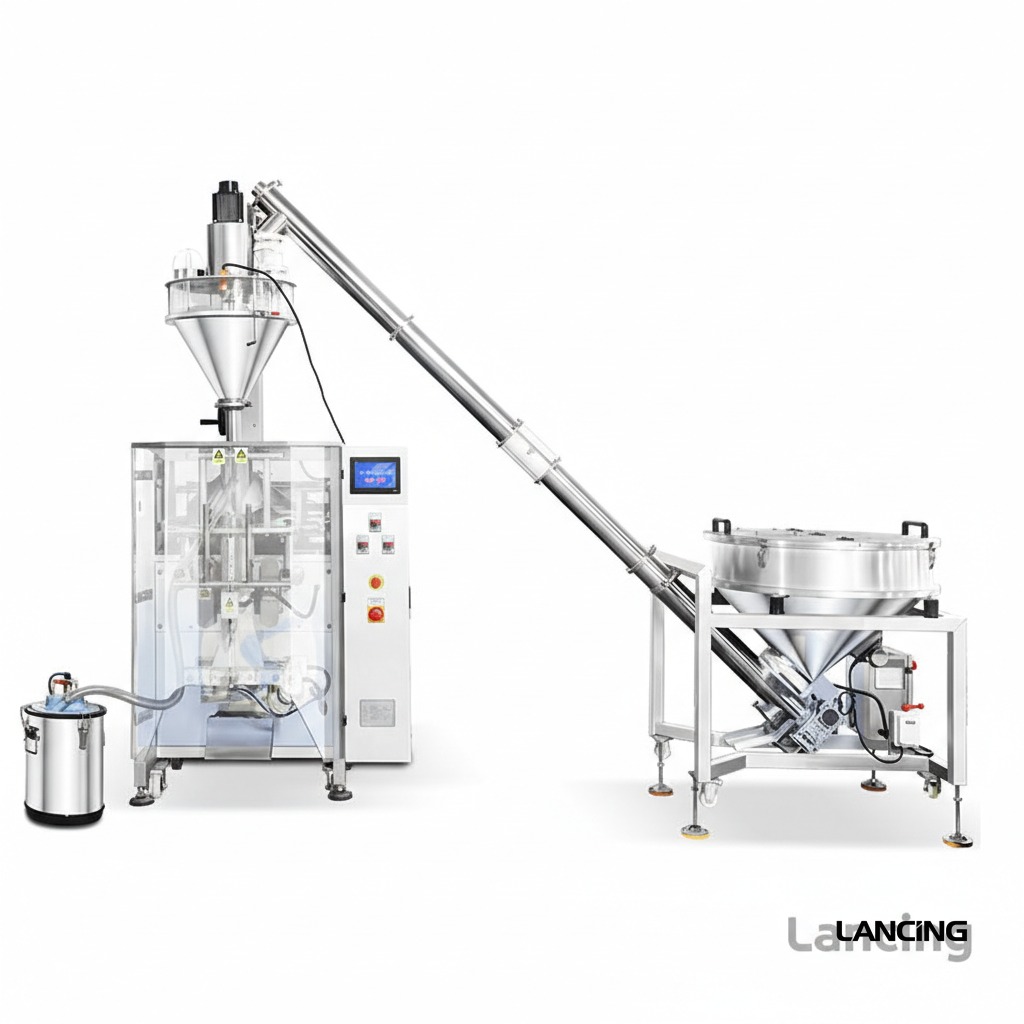
Granule weighing and bag sealing

Application engineering for the LU-FSK1000 granule weigh bagger

Where weighing adds value

The LU-FSK1000 combines controlled weighing with bag filling and sealing for small and medium granule projects. It is relevant when the target is defined by mass and the product can feed consistently into the weighing system without bridging, excessive bounce or damage.

Use published accuracy with its test conditions

The page lists a 50–1000g filling range, 5–15 bags per minute and a filling error of ±1g. The error value is published machine data, not a universal guarantee. Product density, target weight, feed cut-off, vibration, sample method and operating speed must be defined when the result is confirmed.

Film and pack formation

Published film materials include OPP, CPP, PE and PET, but a material name alone does not define a sealable web. Supply the complete construction, thickness, sealant layer, roll width and finished bag dimensions so tracking and seal trials use production-intent film.

Product handling and cleaning

Seeds, food granules, small hardware and similar products differ in static, oil, fines, shape and impact sensitivity. Confirm hopper and feeder access, product-contact cleaning, containment of small parts and how residual product is recovered during changeover.

Integration and accepted output

The machine footprint is published as approximately 1300 × 770 × 2150mm. The installation plan should also include feed height, service clearance, takeaway conveyor, checkweigher or inspection and operator loading. Measure accepted sealed bags per minute under the agreed product and inspection conditions.

Alternative routes

For very small multi-lane granule sachets compare the LU-FSL12. Where combination weighing is the principal requirement, use combiweigh.co.uk.

Buyer questions

LU-FSK1000 granule weigh bagger FAQs

Is ±1g available at every target weight?

It should not be assumed. The published value needs confirmation against the product, target, feed settings, sampling method and operating conditions.

What causes weighing overshoot?

Product free fall, feeder cut-off, vibration, bouncing pieces and inconsistent feed can all add material after the nominal stop point.

Which film should be trialled?

Use the intended complete film construction, not only a polymer abbreviation, together with the required bag dimensions and seal checks.

Can small hardware be handled?

Potentially, but shape, weight, sharp edges, oil, containment and impact on contact parts and film should be assessed with samples.

How is accepted speed measured?

Count bags meeting the agreed weight, dimension, seal, cut and code requirements while product feed and discharge equipment operate normally.

What access is needed around the machine?

Allow for product loading, film changes, cleaning, service, safe guarding and removal of finished packs in addition to the published machine dimensions.

Application review

Confirm the published specification with your product and film.

Contact Lancing
Call now