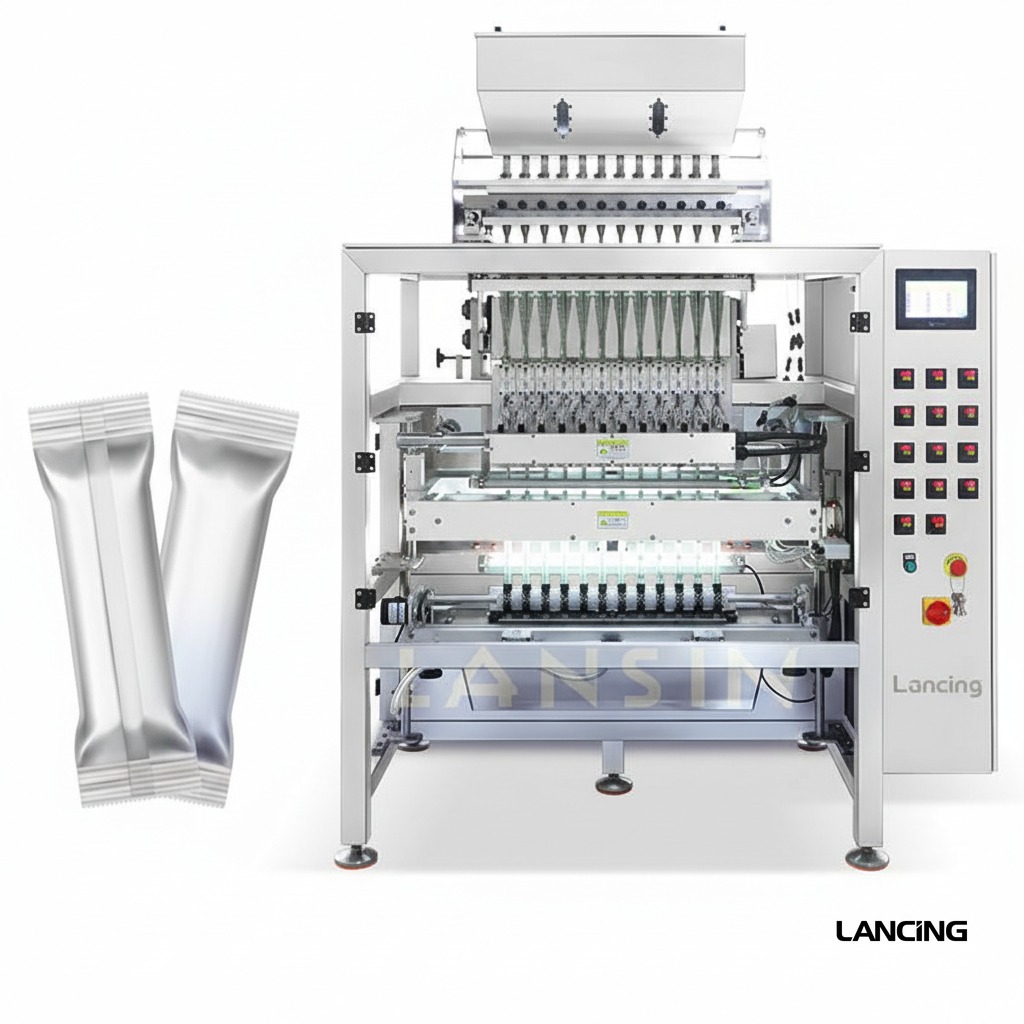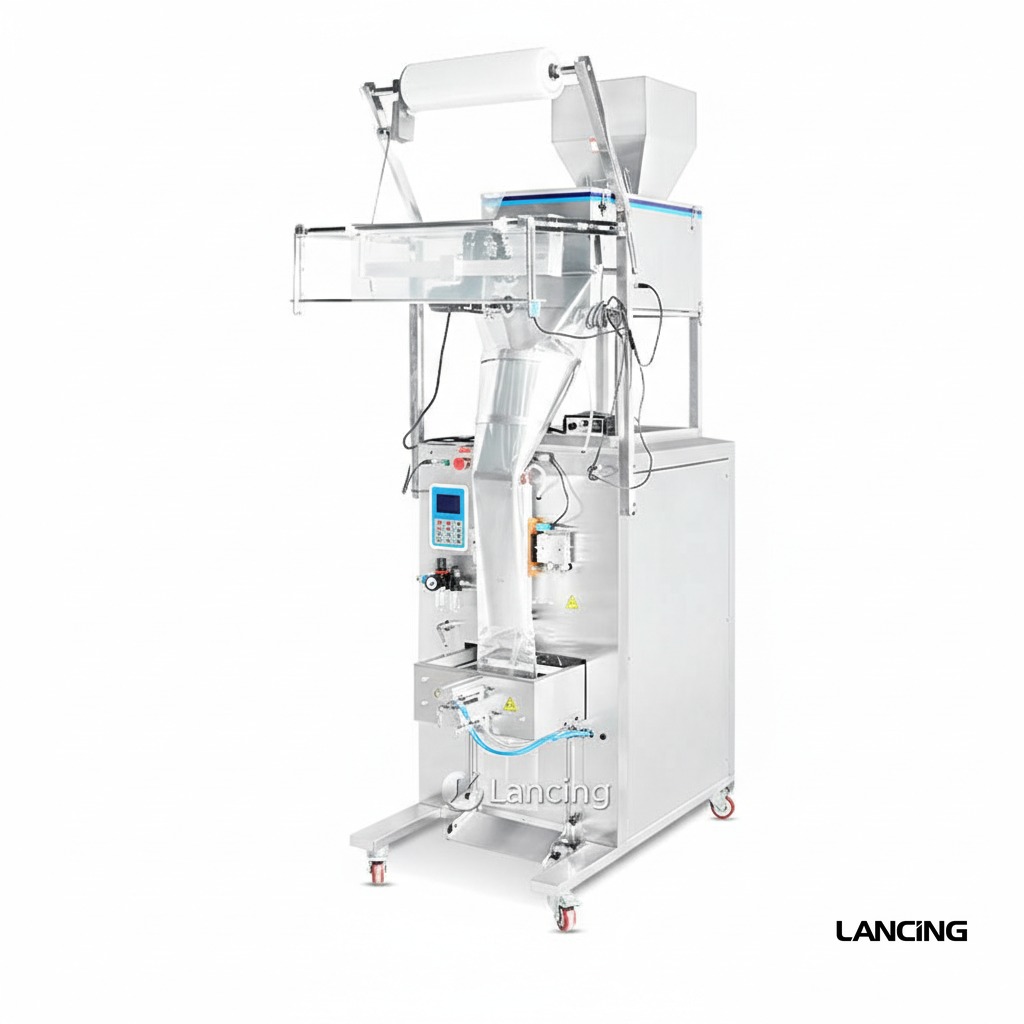
Granule vacuum bagging

Automatic Granule Vacuum Filling & Sealing Machine

Automatic granule packing machinery combining vacuum feeding, weighing, filling, heat sealing and cutting for grain, nuts and similar free-flowing products.

Automatic Granule Vacuum Filling & Sealing Machine

Machine overview

Automatic granule packing machinery combining vacuum feeding, weighing, filling, heat sealing and cutting for grain, nuts and similar free-flowing products.

This route is specified around your product behaviour, film material, required pack dimensions, expected output, available utilities and downstream handling. Final specification is confirmed against the live application.

Typical applications

  • Rice
  • Grains
  • Nuts
  • Granules

Specification guide

ModelLU-FM1000V
Rated power860W
Voltage110V 60Hz / 220V 50Hz
Production capacity15–25 pcs/min depending on product
Weighing range50–1000g adjustable
Error range±2g depending on product
Machine weightAbout 135kg

Project notes

Confirm product samples, bag drawings, filling range, dosing tolerance, seal pattern, film roll details and any print, inspection or reject requirements before ordering.

Vacuum granule bagging notes

Vacuum filling and sealing is relevant where compact bag presentation is important for rice, grains, nuts or similar granular products. Confirm product fragility and final pack shape.

For a wider comparison, see the related specification guide or send a product sample, bag size and target output to Lancing.
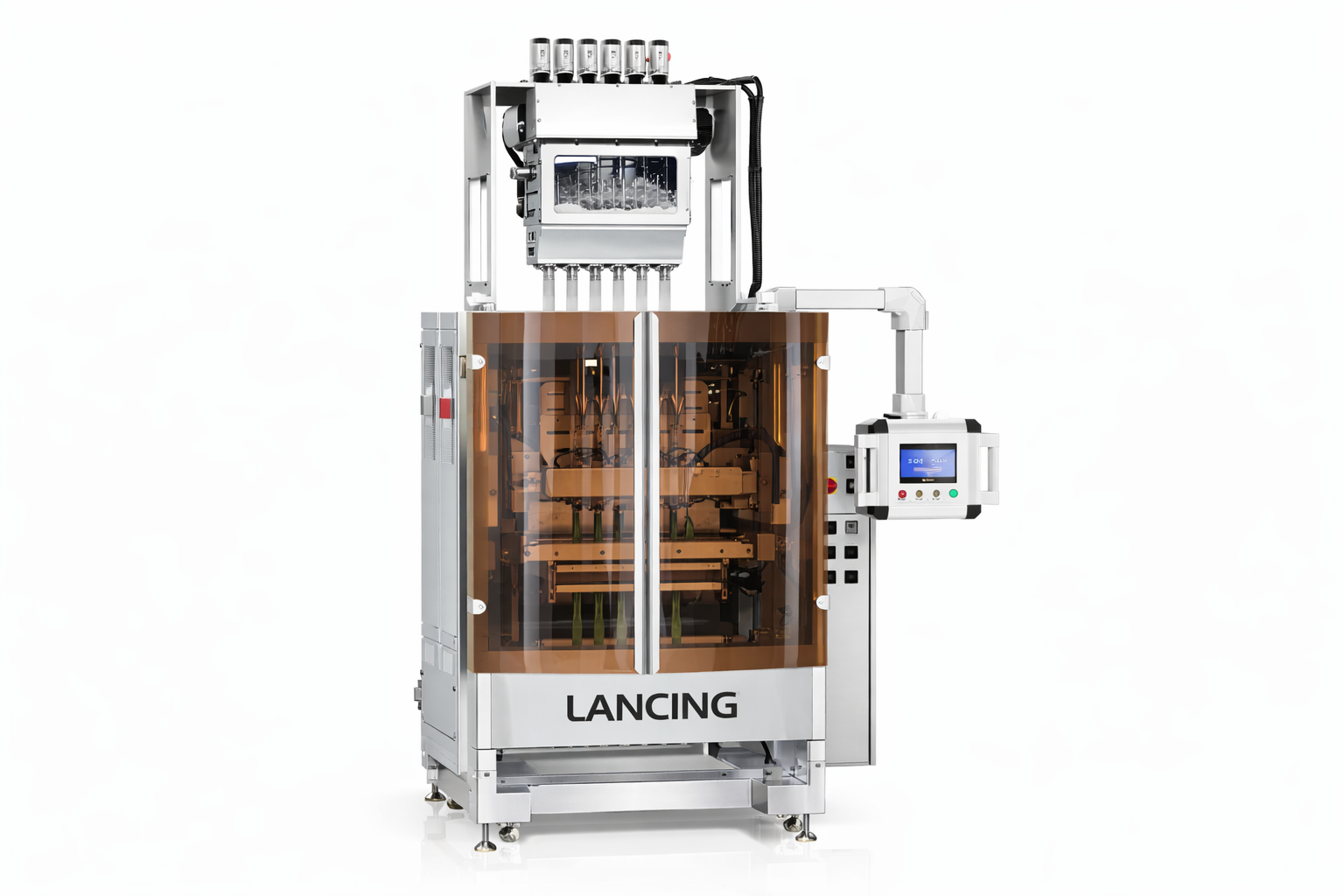
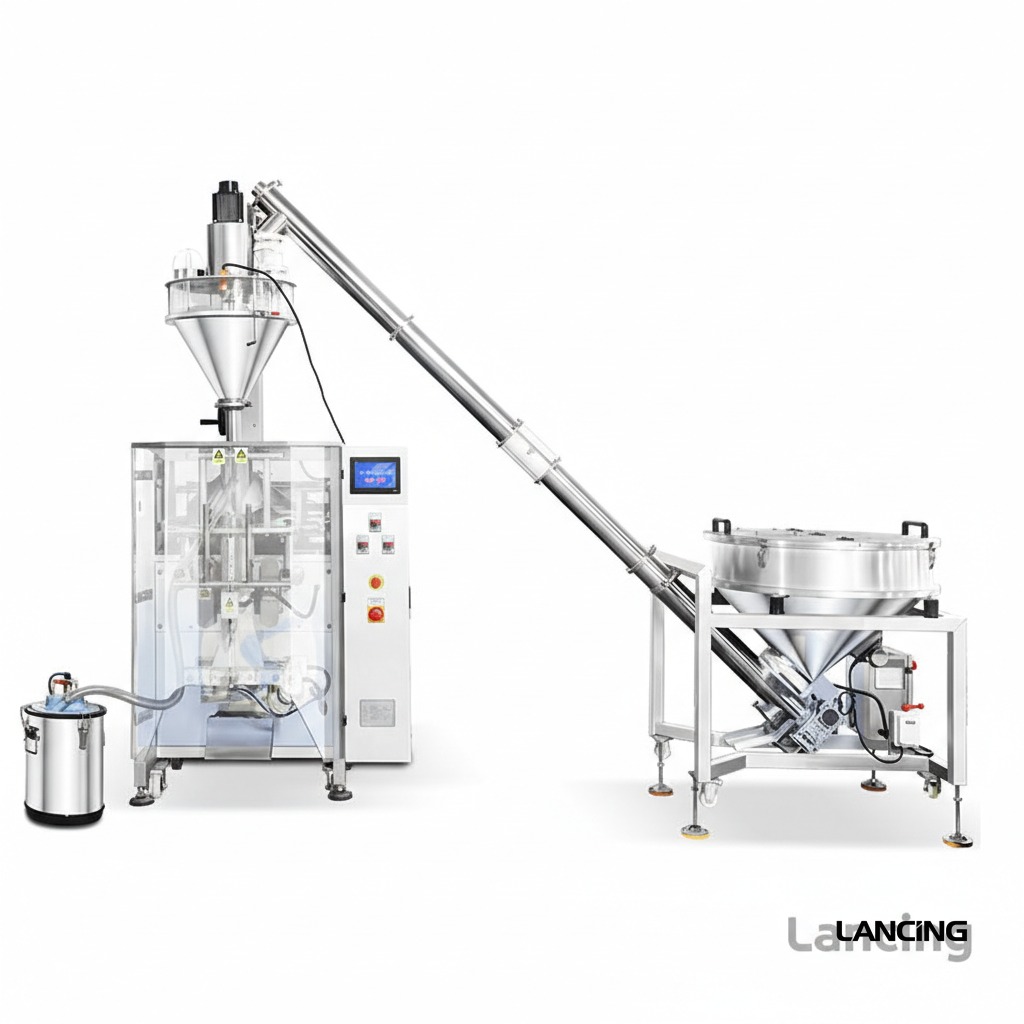
Vacuum transfer, weighing and sealing

Application engineering for the LU-FM1000V vacuum-fed granule machine

Where vacuum product transfer helps

The LU-FM1000V combines vacuum feeding, weighing, filling, heat sealing and cutting for free-flowing granules such as grains and nuts. The vacuum route can reduce manual lifting, but the product must tolerate the transfer velocity and pipe path without unacceptable breakage, segregation or dust generation.

Interpret the published performance data

The page lists 15–25 pieces per minute depending on product, a 50–1000g adjustable weighing range and an error range of ±2g depending on product. The repeated qualification is important: confirm target weight, product, feed settings, sample method and speed during the application trial.

Assess vacuum feed behaviour

Record pickup distance, hose route, lift height, product level and refill cycle. Light pieces, fines or mixed particle sizes may separate in transfer. Nuts or brittle granules should be checked for visible damage before and after the vacuum path.

Weighing and seal clearance

The feeder should provide a stable weighing cycle without surge after cut-off. The filled product must then clear the sealing area before jaw closure. Inspect weight, trapped particles, seal continuity and bag presentation together.

Installation and maintenance

Published data lists 860W rated power, 110V 60Hz or 220V 50Hz and a machine weight of about 135kg. Confirm the actual configured supply, product-pickup arrangement, filters, cleaning access, hose inspection and discharge space.

Alternative route

For larger integrated VFFS granule systems compare the LU-FSK1000 or LU-FSL12. Where combination weighing owns the requirement, use combiweigh.co.uk.

Buyer questions

LU-FM1000V vacuum-fed granule machine FAQs

Is the ±2g figure available for every product?

No. It is published as depending on product and should be confirmed with the target weight, feed settings and agreed sampling method.

Can vacuum transfer damage product?

It can affect brittle or mixed products. Check breakage, dust and segregation using the intended pickup distance and hose route.

What affects vacuum refill time?

Pickup depth, lift, hose length and bends, filter condition, product density and air leakage can all affect transfer.

How should fines be managed?

Assess whether fines load the filter, segregate from larger pieces or contaminate seals, and define inspection and cleaning intervals.

What utilities are published?

The page lists 860W rated power and 110V 60Hz or 220V 50Hz; confirm the final configured electrical and ancillary requirements.

What should be recorded during a trial?

Record pickup layout, refill cycle, target weight, sample results, product damage, seal condition, speed and recovery after stops.

Application review

Confirm the published specification with your product and film.

Contact Lancing
Call now